-
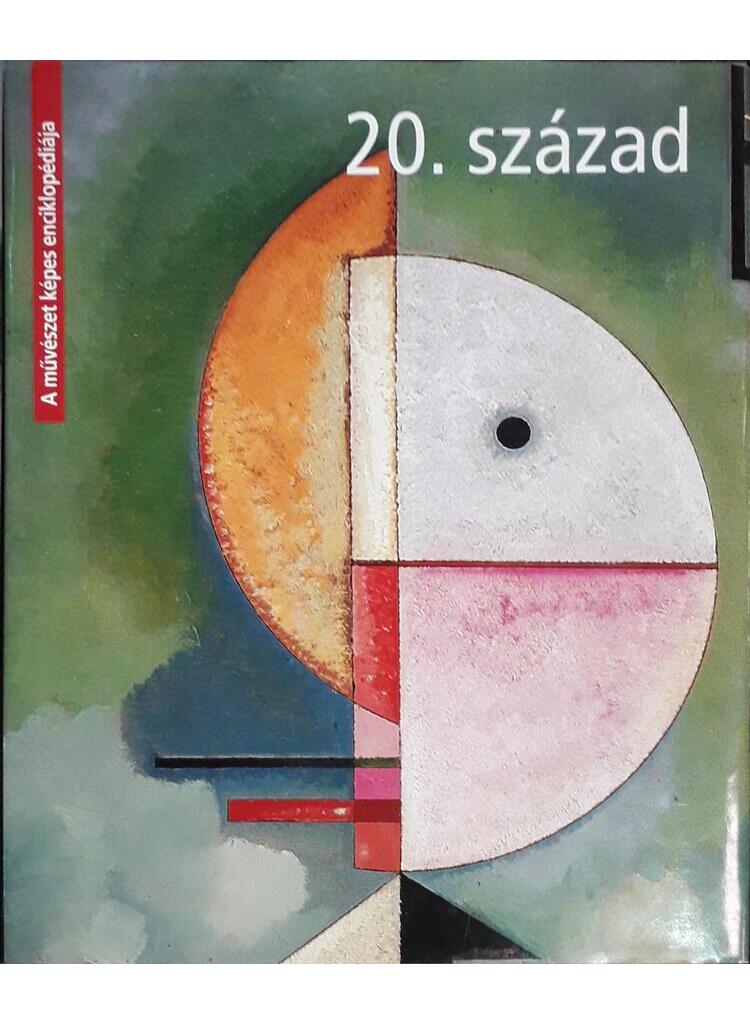
20. század
05 000 FtA 20. századi művészet 1907-ben született meg, amikor Pablo Picasso megfestette Az avignoni kisasszonyokat – műve egyidejűleg szakított a múlttal és jelölte ki a művészet későbbi fejlődésének egyik legfontosabb útját. Voltaképpen ez idő tájt kezdtek az avantgárd mozgalmak kísérletezni a formával, a művészi megjelenítés eszköztárával, a technikákkal és az anyagokkal: a kubizmus, az expresszionizmus, az absztrakt művészet, a futurizmus és a dadaizmus szélesre tárta a kaput az új kifejezési lehetőségek előtt. Újfajta viszony alakult ki művészet és valóság között: az alkotók játszottak a formákkal, a tárgyakkal és az anyagokkal, a művészetet pedig a közlés egyfajta eszközeként fogták fel. A filozófiából és a pszichoanalízisből is merítettek: a szürrealista festmények a tudattalant örökítették meg. A század első felében Európát két világháború is sújtotta. A háború borzalmait Picasso a Guernicán mutatta fel. Számos művésztársa a náci Németország elhagyására kényszerült, ugyanakkor a Bauhausban zajló nagy jelentőségű kísérletezésnek is vége szakadt. Következésképpen az 1940-es évek elejére Párizs elvesztette meghatározó szerepét a művészeti életben, az új központ New York lett. Az amerikai metropolisban a művészet nyelve tökéletesen új irányba fejlődött: az akció lett Pollock munkásságában a főszereplő. Néhány év múltán a művészek egyrészt a fogyasztói társadalom populáris valóságának mélyére hatoltak, másrészt olyan kifinomult megfogalmazási módokhoz jutottak el, amelyeket a közönség már nem igen tudott befogadni. Megszületett a pop-, a koncept- és a minimal-art. A képzőművészet, a zene, a színház, valamint a média között kialakuló kölcsönhatásnak köszönhetően születtek meg a happeningek. A műalkotás minduntalan változtatta formáját: a művészek megmunkálandó tárgyává válhatott a táj vagy akár az emberi test, új technikákat találtak ki, ugyanakkor klasszikus műalkotásokat dolgoztak át
-
30000 years of art
012 000 FtFollowing on from The Art Book published in 1994, 30,000 Years of Art offers an original and accessible introduction to art for a general readership. Unlike The Art Book, it organises the work in chronological order (rather than alphabetical), it covers all cultures (not only western) and, as the title suggests, it covers 30,000 years of art (rather than art since the Renaissance). The book contains over 1000 works of art from all periods and regions in the world and breaks through the usual geographical and cultural boundaries of art history to celebrate the vast range of human artistry across time and space. Each work is accompanied by key caption information (date, title, place of origin, style or culture, medium, dimensions etc.), and a text that provides more information on the work and its art historical context. The book presents art in a way very different from other art history compendia, revealing the huge diversity, or in many cases, similarity, of man’s artistic achievements through time and around the globe. Ordered chronologically, the resulting timeline of works will lead to compelling surprising juxtapositions will offer intellectual pleasure and a sense of wonder and discovery.
-
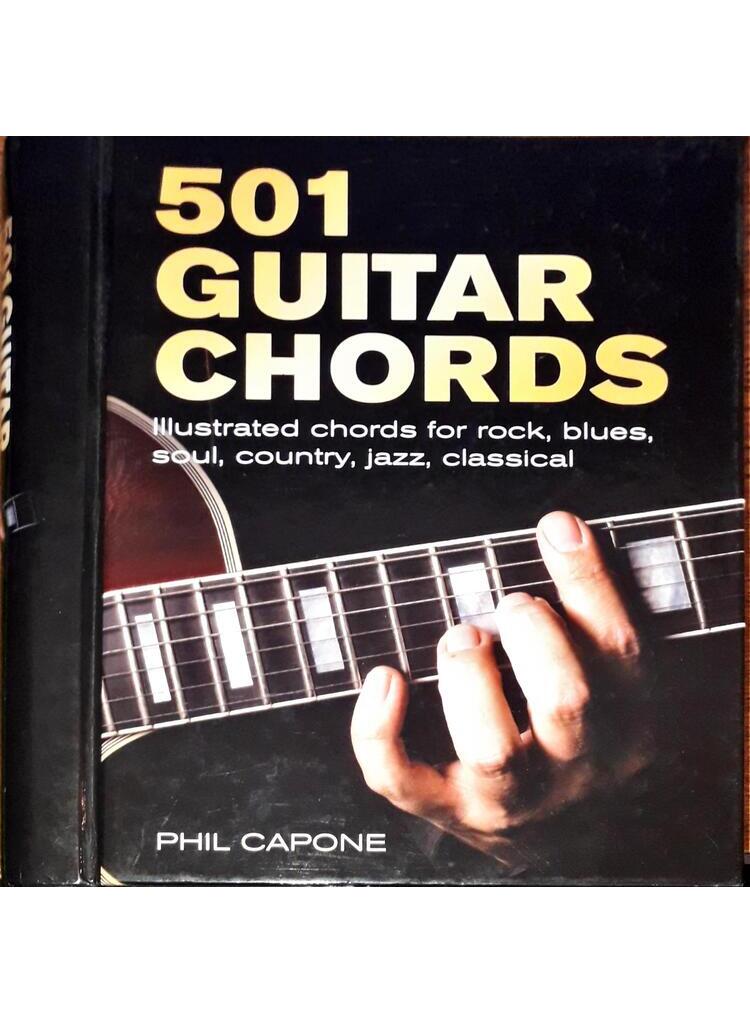
501 Guitar Chords
04 500 FtThis compact dictionary of over 500 chords in their most common voicings features clear photographs and easy-to-follow diagrams and instructions. The spiral binding allows you to lay the book flat for easy reference while playing. Fingering diagrams for each chord are clearly indicated on a fretboard while a photograph shows the chord being fretted, with tips on technique where relevant. Whether your musical style tends to rock, blues, soul, jazz, funk or country, this handy, take-anywhere volume puts the techniques for making great guitar music at your fingertips, and sets you on the road to becoming a true Chordmeister!
-
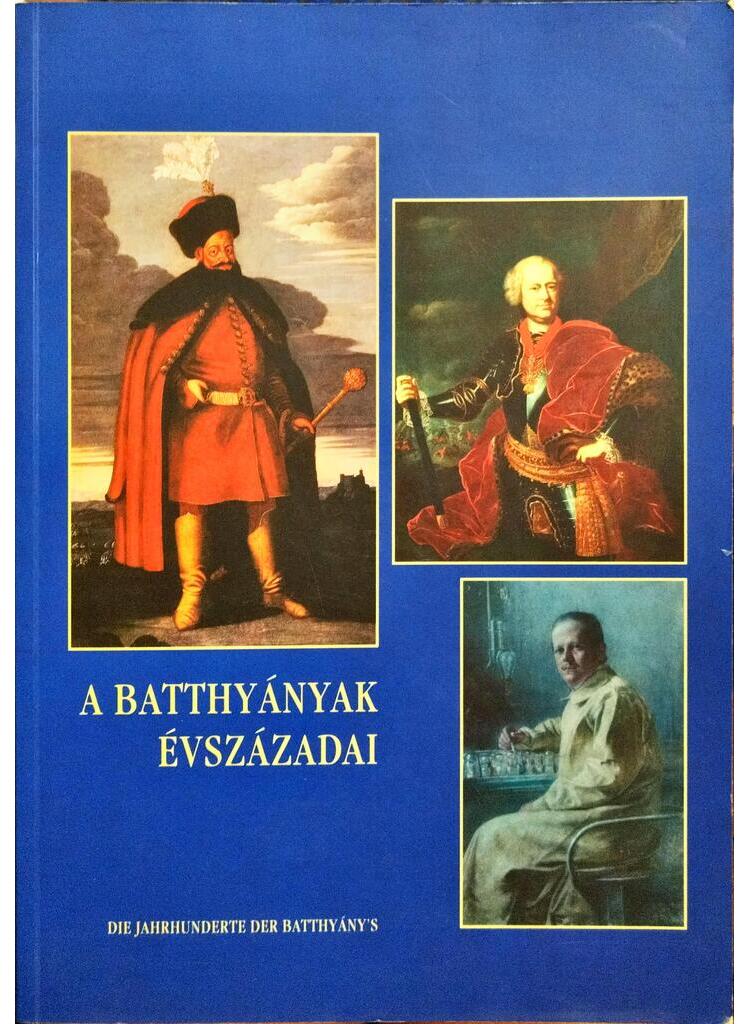
A Batthyányak évszázadai
06 000 FtA Batthyányak évszázadai c. kiállítás (2005. augusztus 19. – november 30.) katalógusa. Kiállítások:
– Műveltség, hatalom és reprezentáció a XVII-XVIII. században (Szombathely)
– A Batthyány-kastély évszázados kincsei (Körmend) -
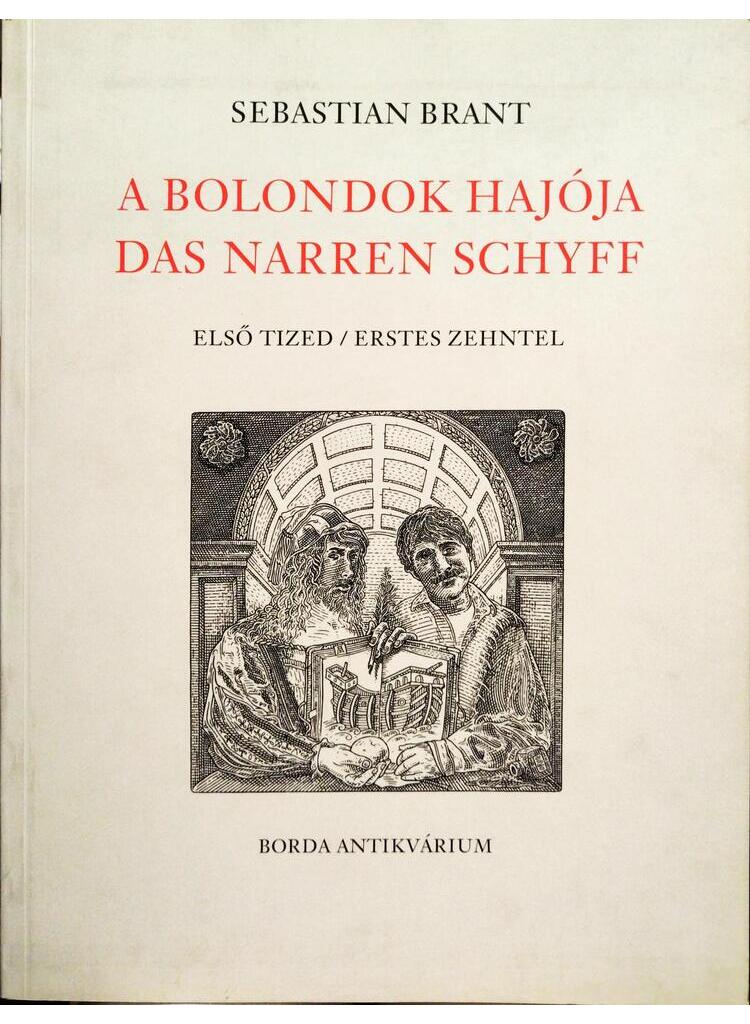
A Bolondok Hajója – Das Narren Schyff (Első Tized – Erstes Zehntel)
03 600 FtSebastian Brant nagyszabású műve A Bolondok Hajója, mely a hagyományos középkori világkép egyik utolsó összefoglalása, először 1494-ben jelent meg. Ez a kötet az első teljes magyar kiadás. A fordítás Márton László munkája.
-
-
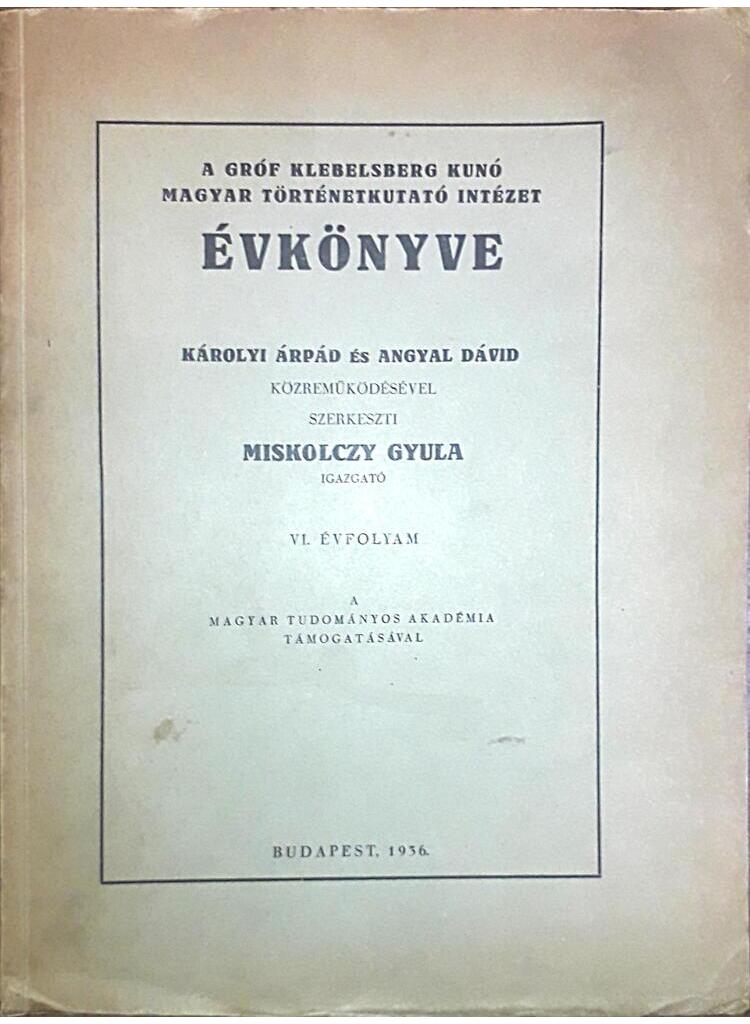
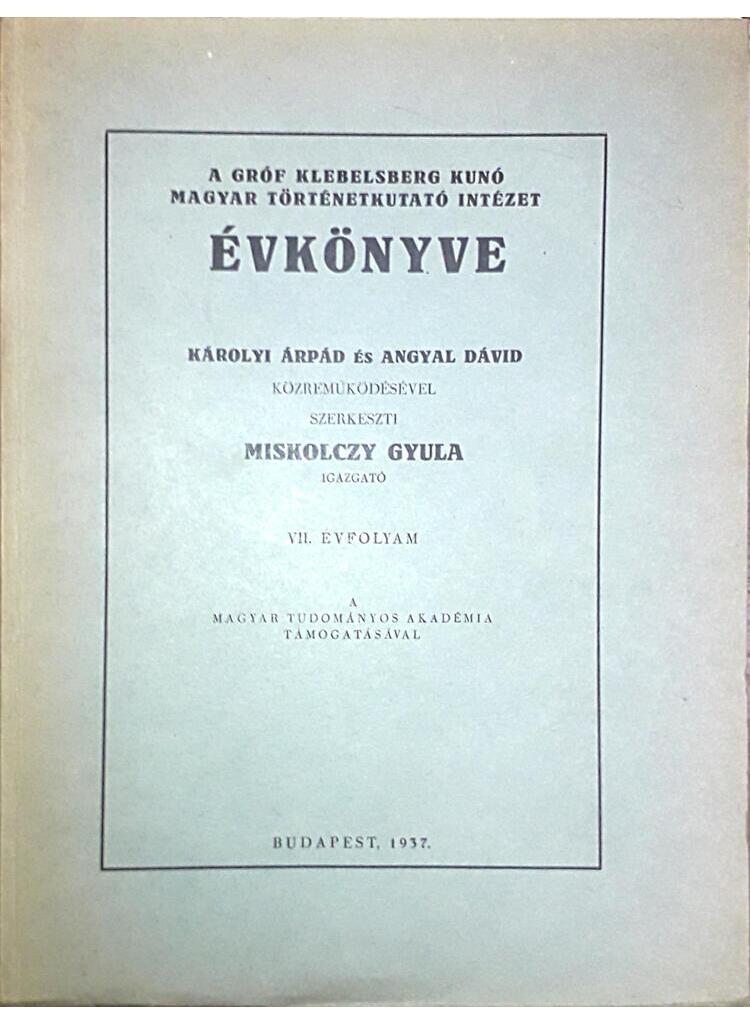
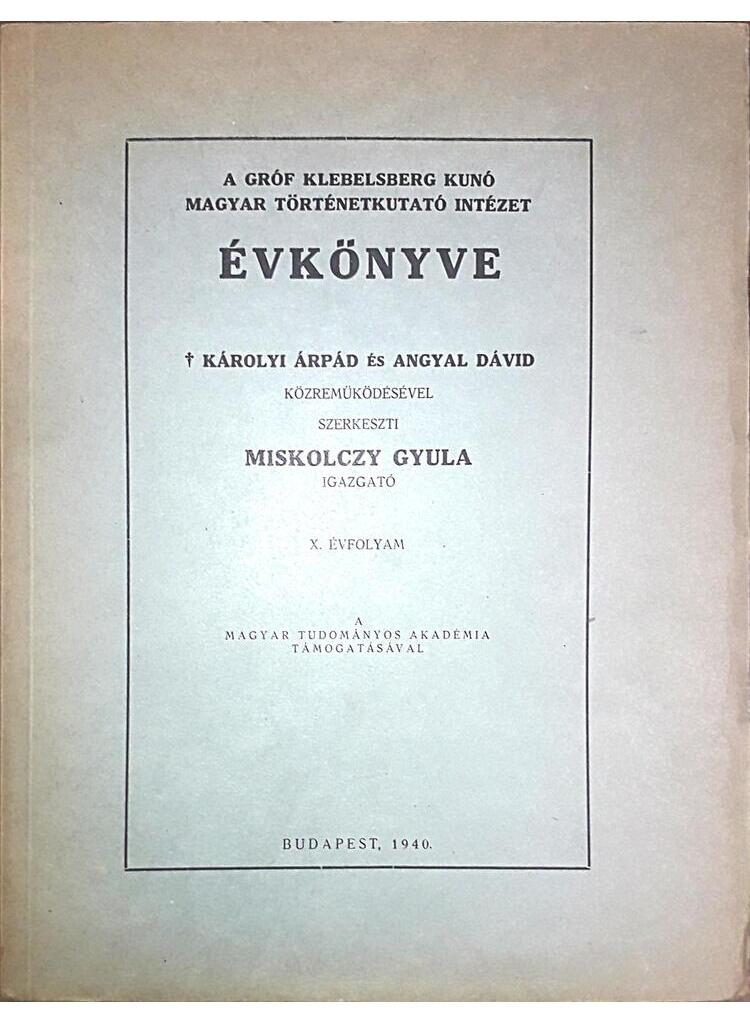
A Gróf Klebelsberg Kuno Magyar Történetkutató Intézet Évkönyve
02 500 FtTartalom Angyal Dávid : Előszó Kring Miklós : A magyar államhatár kialakulásáról Váczy Peter : Stephan der Heilige als päpstlicher Legat Pleidell Ambrus : Egyházi és világi immunitás Belitzky János : Nyugatmagyarország védelmi rendszere és határőrnépei a középkorban Komorovitz L. Bernát : A magyar címer hármashalma Deér József : Közösségérzés és nemzettudat a XI–XIII. századi Magyarországon Fekete Nagy Antal : Küküllei János (1320–1394) Mályusz Elemér : A Told i-monda Lederer Emma : Bártfa város vészonszövő üzeme a XV. században Szilágyi Lóránd : A német birodalom és Magyarország államjogi viszonya Luxemburgi Zsigmond alatt Paulinyi Oszkár : Az első magyar országgyűlési napló Ila Bálint : Az 1614-i linzi egyetemes gyűlés Komoróczy György : A XVI. és XVII. századi lengyel kereskedelempolitika irányai és a magyar borkivitel Sinkovics István : Élő és halott falvak Galla Ferenc : A csiksomlyói ferencrendi kolostor viszontagságai Bethlen Gábor idején Huszár Lajos : A munkácsi pénzverő működése és a pénzrontás kora Erdélyben Bethlen Gábor idejében Bakács István János : A kincstár máramarosi bocskói uradalmának helyzete a XVII–XVIII. század fordulóján Kónyi Mária : A váradi kincstári uradalom jobbágysága 1718-ban Ember Győző : A commissariatus provinciális felállítása Magyarországon 1723-ban Csapody Csaba : A vámhatár megszüntetése Magyarország és Erdély közt 1784-ben Vácz Elemér : Vedress István munkássága és a Duna-Tisza csatorna Salacz Gábor : A vatikáni zsinat és a placetum Kozocsa Sándor : Hóman Bálint irodalmi munkássága
-
-
-
-
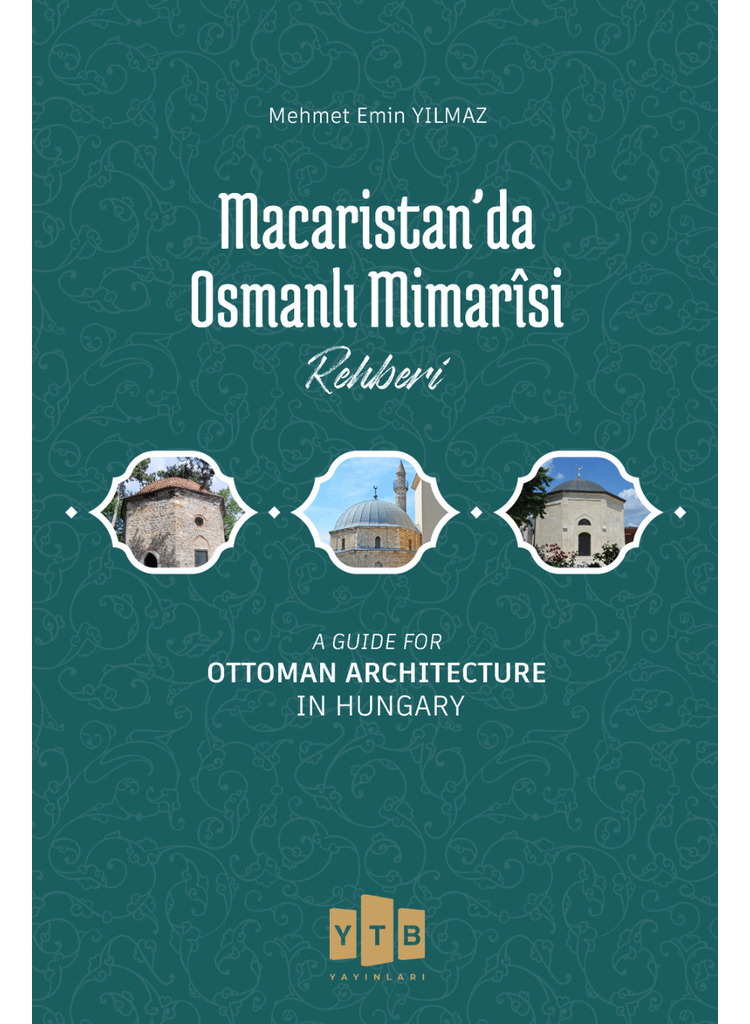
A Guide for Ottoman Architecture in Hungary / Macaristan’da Osmanli Mimarisi
02 500 FtOttoman Empire, one of the most powerful empires in global history, linked three continents to one another based on a policy of conquests and holy wars in line with its founding mindset and sense of civilization and served as a safeguard for peace, serenity, and fairness across the lands that it ruled. Diverted to the Balkans and the West starting from the 14 th century in particular, the policy of conquest and conciliation gave rise to a shared culture and a diverse set of architectural monuments in those lands. Built-in the most exquisite and enhancive style of the time, each architectural monument is a precious token of how the Ottoman Empire was the epitome and flag-bearer of such an influential civilization not only in political, military, and economic terms but also in cultural and architectural aspects. Gracing a wide array of cultural lands inch by inch, the Ottoman architecture left indelible impressions on Hungary where people co-existed under the umbrella of the same state for nearly 150 years. Erected during the rule of the Ottoman Empire, mosques, castles, fountains, public baths, cemeteries, shrines, hot springs, and so forth make up the key architectural wonders of the Ottoman Hungary. Identifying the monuments, most of which regrettably could not make it to modern times, and handing down those that survive to the next generation as they should be is of great importance for the Turkish-Hungarian friendship and our shared cultural heritage to be everlasting in confidence. Keeping a record of the Ottoman architectural monuments that are located across Hungary and still standing, this guide. Foreword is a momentous work as it boasts the architectural aspect of the friendly relations between Türkiye and Hungary, and brings out the extant monuments in an orderly fashion. It is particularly delightful to publish such an invaluable guide within the Turkish-Hungarian Culture Year celebrated for the anniversary of the Agreement of Friendship signed by and between the two countries. I would like to congratulate all who have offered a lot to the development of A Guide for Ottoman Architecture in Hungary, especially Msc. Architect Mehmet Emin Yılmaz, the author of the guide, for their efforts, and wish that it will add to the bonds of friendship and brotherhood between the two countries
-
-
A mester szavai
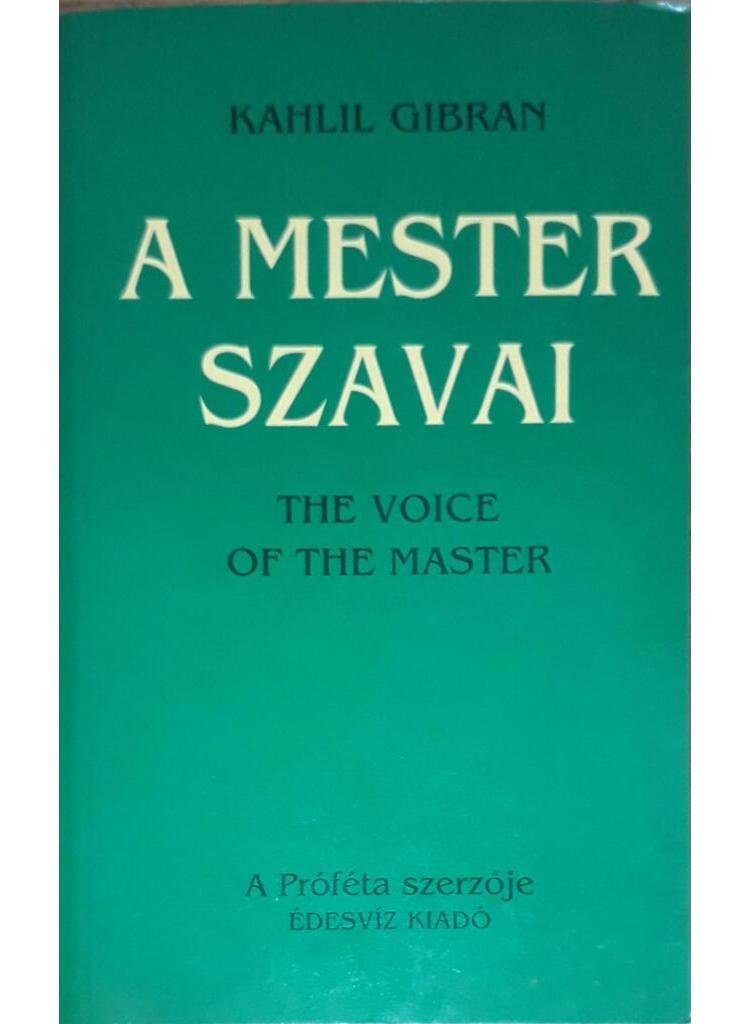
01 000 FtAzért jöttem, hogy kimondjak egy szót, s most ki is fogom mondani. De ha megelőz a halál, akkor majd valaki kimondja holnap, mert a Holnap sohasem hagy hátra titkokat az Örökkévalóság könyvében. Azért jöttem, hogy a Szeretet dicsőségében és a Szépség fényében éljek, melyek Isten visszafényei. Itt vagyok, élek, s nem lehet száműzni az élet országából, mert élő szavaim által a halálomban is élni fogok. Azért jöttem, hogy mindenkiért és mindenkivel együtt legyek, s amit ma egyes-egyedül teszek, azt holnap a sokaság visszhangozza majd. Amit ma egyetlen szívvel kimondok, holnap ezer szívvel kimondatik.
-
-
A Pictorial History of the Silent Screen
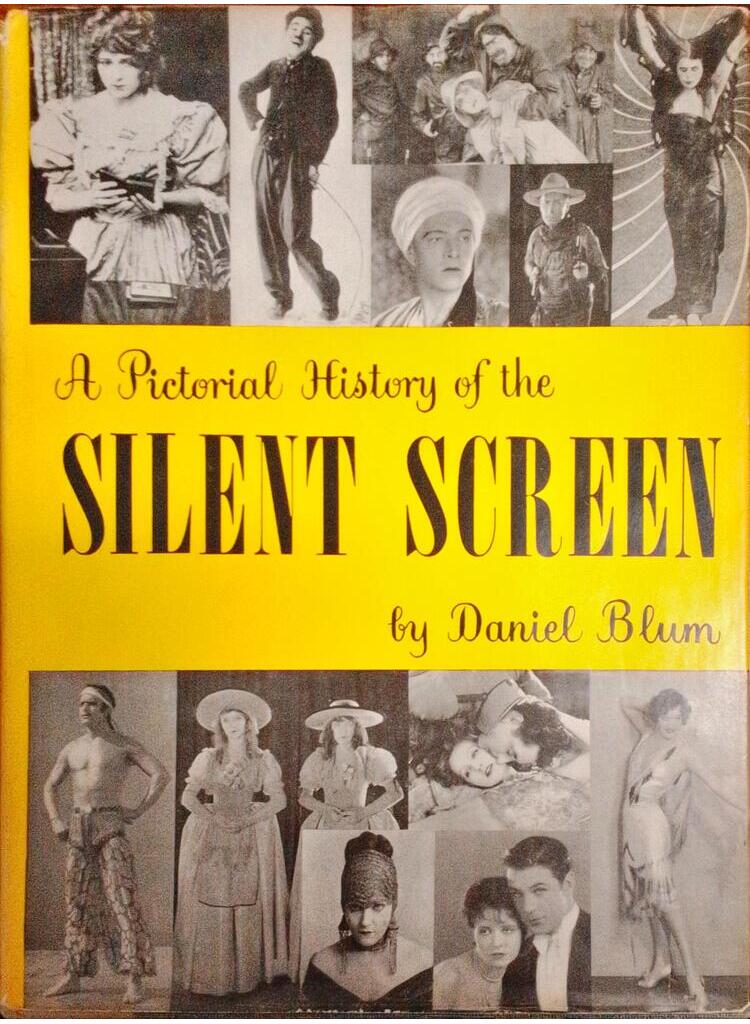
03 600 FtTHE NICKELODEONS, as the first movie theatres were called, in no way resembled the luxurious picture palaces of today, but what an aura of magic and mystery, of laughter and tears clung to them! There, to the sounds of a tinkling and appropriately emotional piano, Pearl White faced her perils, Francis X. Bushman caused fluttering hearts, Theda Bara wrecked homes, Chaplin and Arbuckle and Mack Sennett set zany standards, never to be excelled, and a host of beautiful ladies smiled and wept and were alluring. It was a realm of fantastic and childish make-believe situated in a never-never land called Hollywood, but gradually the whole world came to treasure its heroes and heroines and clowns, and to ape them. Whatever role the silent screen has played in our social history— and I believe it was an important one— no one can underestimate the enormous pleasure the films of this era gave to audiences everywhere. It has been my thought in compiling this book to recall the varied and fascinating personalities and photoplays of the years from the earliest films to the advent of the sound screen, when stars were really stars, when the fashions and activities of the Hollywood greats echoed around the world and 100,000 people could gather in London and even in Moscow to greet Mary Pickford and Douglas Fairbanks on their triumphal tour of Europe. Here was an art peculiarly American and yet universal. Its essence was entertainment; its success, financial and otherwise, was stupendous. Perhaps today, in a more troubled age, we can look back on these people and their films not only with nostalgia but also with a sincere desire to learn what made glamor so glamorous and laughter so hearty, and the world a happier place to live in. It was a memorable age, and I hope I have captured some of its quality to preserve in this book. – Daniel Blum
-
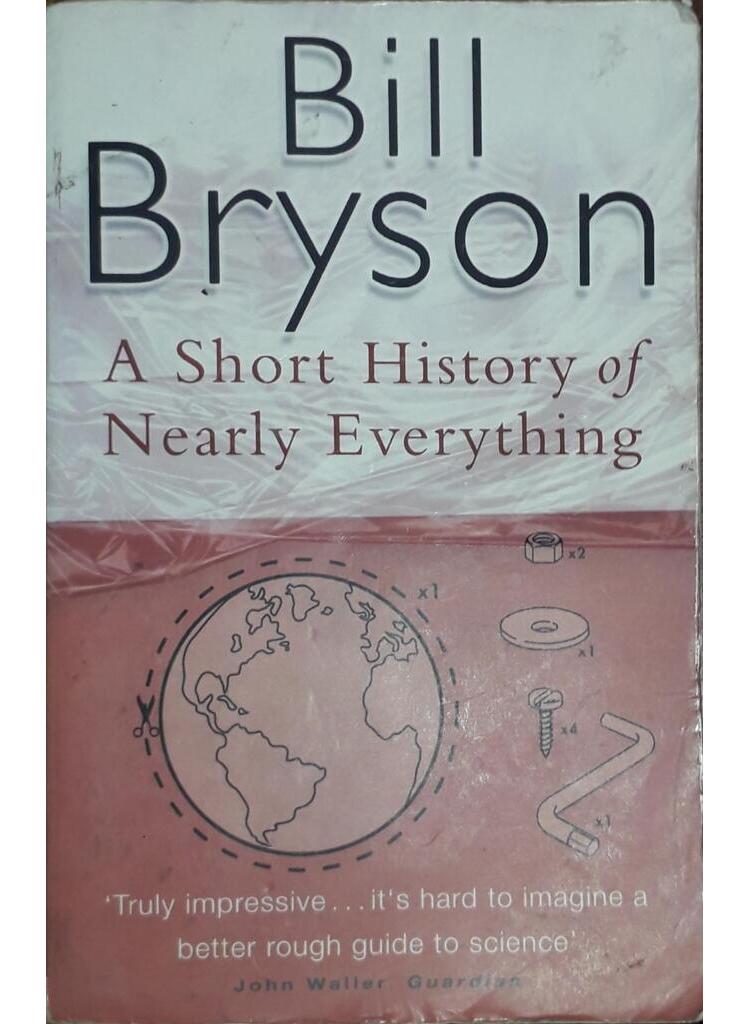
A Short History of Nearly Everything
01 500 FtBill Bryson describes himself as a reluctant traveller, but even when he stays safely at home he can’t contain his curiosity about the world around him. A Short History of Nearly Everything is his quest to understand everything that has happened from the Big Bang to the rise of civilization – how we got from there, being nothing at all, to here, being us. The ultimate eye-opening journey through time and space, revealing the world in a way most of us have never seen it before. New York Times Book Review: „Brims with strange and amazing facts… destined to become a modern classic of science writing.”
-
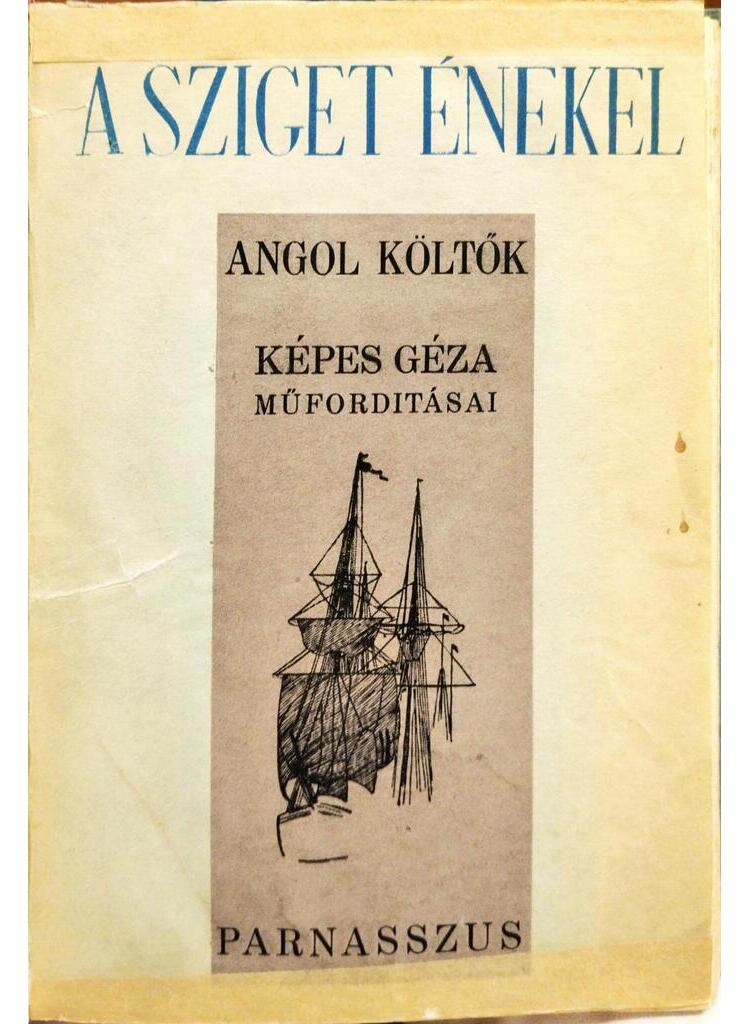
A sziget énekel
01 000 FtShakespearetől – Spenderig kíséri végig az angol költészet útját Képes Géza műfordítás-gyűjteménye. A nagy klasszikusoktól az élő modernekig változatos, egyéni hangjukon szólalnak meg a költők, akik közül Shakespeare kortársa: Donne és Webster, a modernek közül Masefield, Eliot, Auden, Sitwell, MacNeice, Spender ebben a kötetben mutatkoznak be a magyar olvasónak teljes költői jelentőségükben.
A költeményeket angol és magyar szöveggel közli ez az antológia és az egyes költők művei elé írott tömör írói arcképek nemcsak az egyes írókat ismertetik, hanem az angol költészet történetének nagy összefüggéseire is fényt vetnek. -
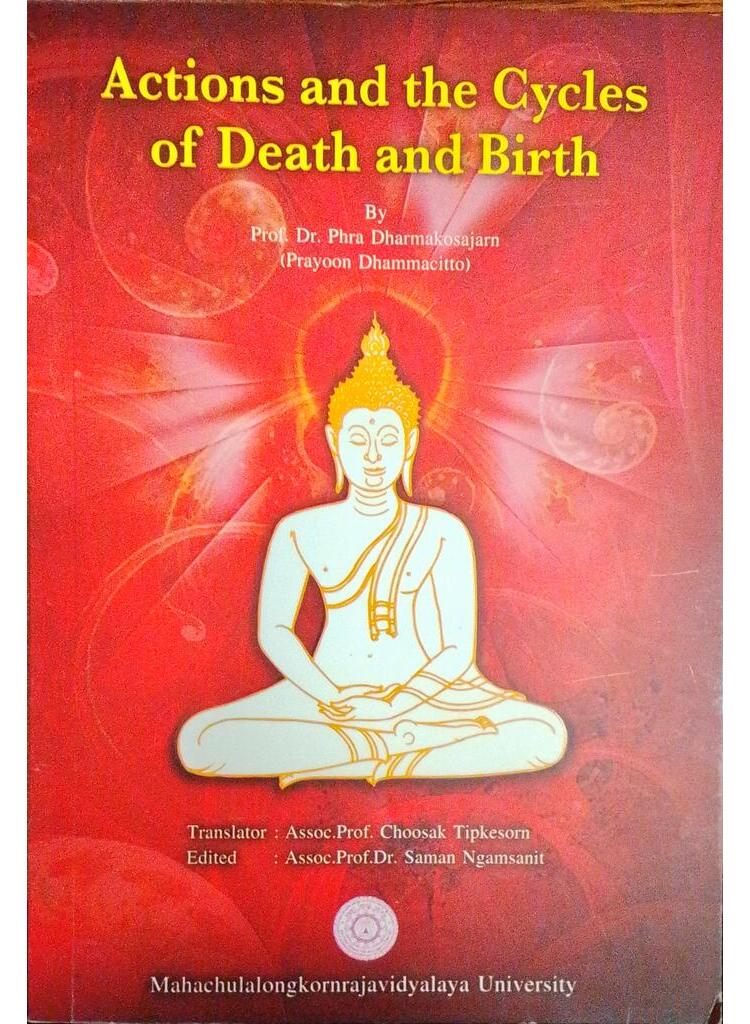
-
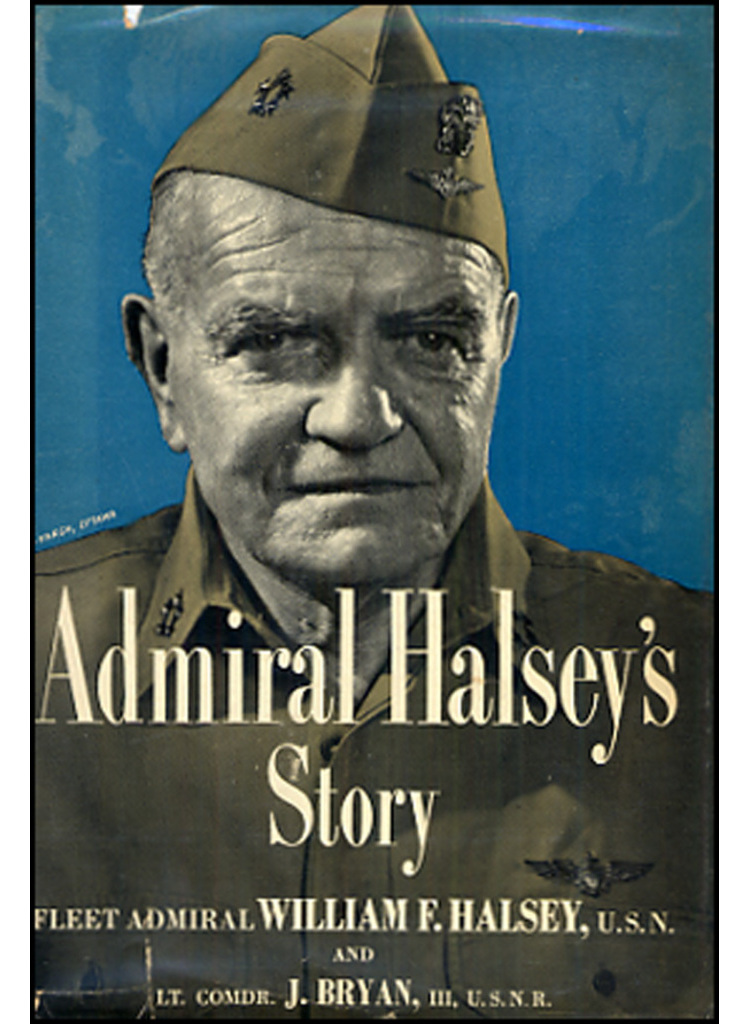
Admiral Halsey’s Story
02 400 FtFor Adm. Halsey himself, the book of course is his own biography; for those in a hurry, a biographical sketch at The Pacific War Online Encyclopedia, although somewhat hostile, provides a good overview of his career. Co‑author Lt. Cdr. Joseph Bryan, III (properly, Joseph St. George Bryan, b. April 30, 1904 in Henrico County, VA, † April 3, 1993 in Richmond, VA) came from a family of journalists and wrote a number of books on various historical and military subjects. In the course of his career, he served in the Army, the Navy, and the Air Force, and the CIA as head of its psychological warfare division. A rather full, formal biographical sketch at Encyclopedia Virginiana omits one of the more interesting chapters of his life, though: in 1969 he became Acting President of NICAP, a UFO organization which had been prominent in the preceding decades; he was brought in to clean up its financial mismanagement, and is still suspected by some to have been a government mole whose purpose was to discredit NICAP and disband it. His son C. D. B. Bryan became a well-known journalist and author as well; some of the family’s interesting inner history may be found scattered thru several entries in the blog of a grandson, „Boxes in the Attic”.
-
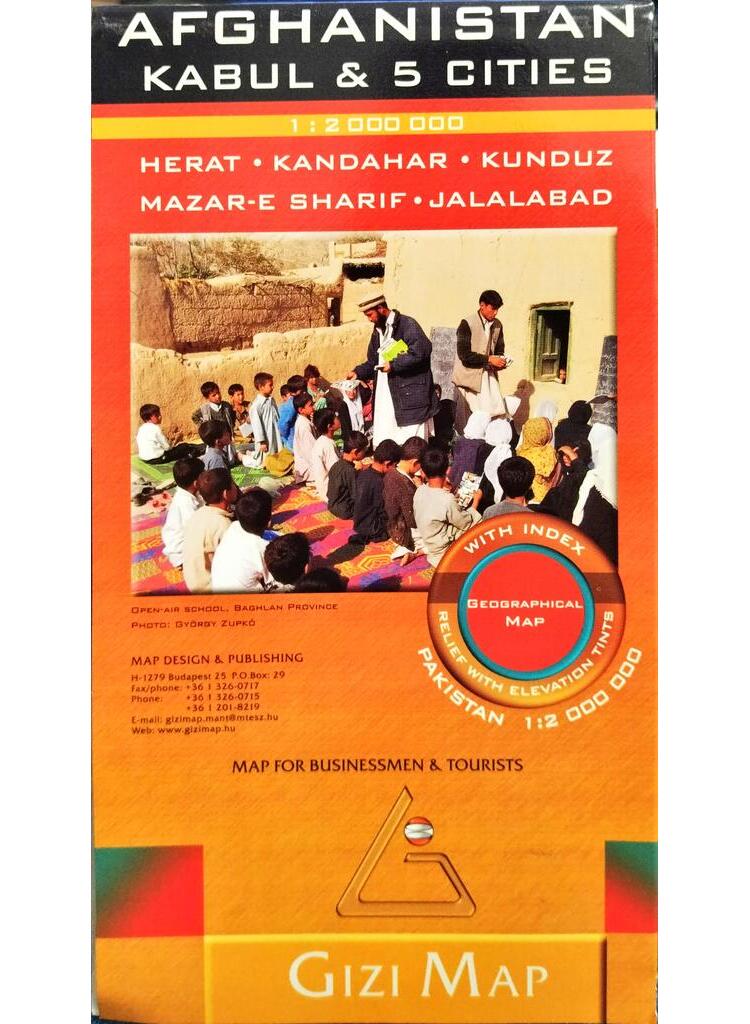
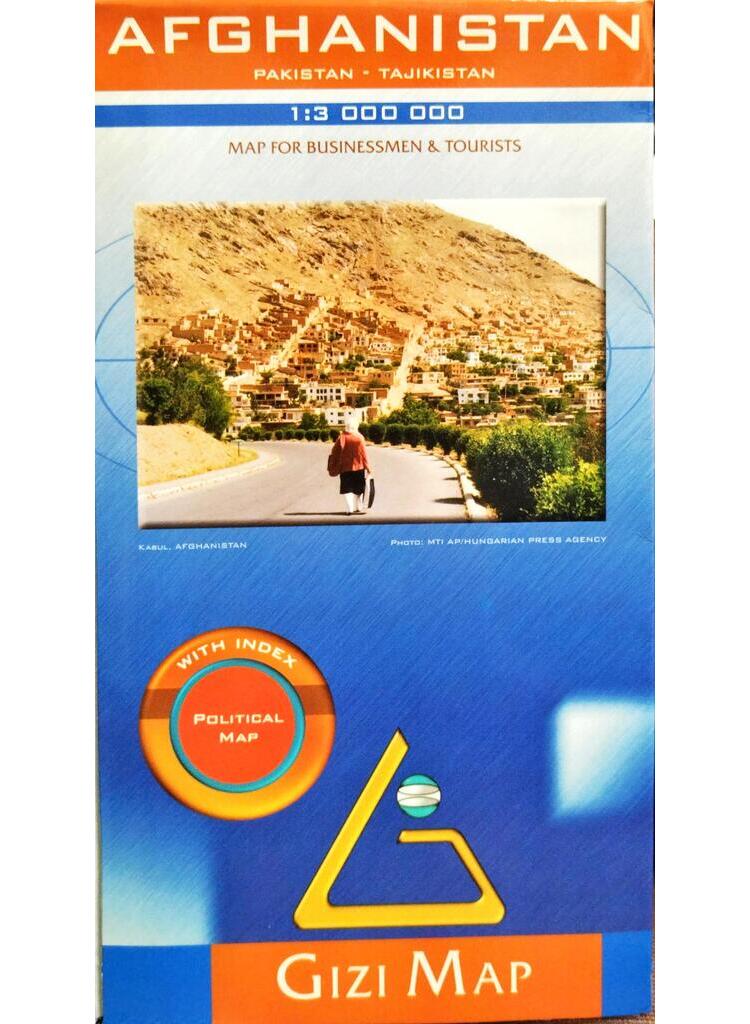
Afghanistan – Kabul & 5 cities
04 000 FtPakistan 1 : 2 000 000
Map for Businessmen & tourists
Geographical map
With index
Relief with elevation tints -
-
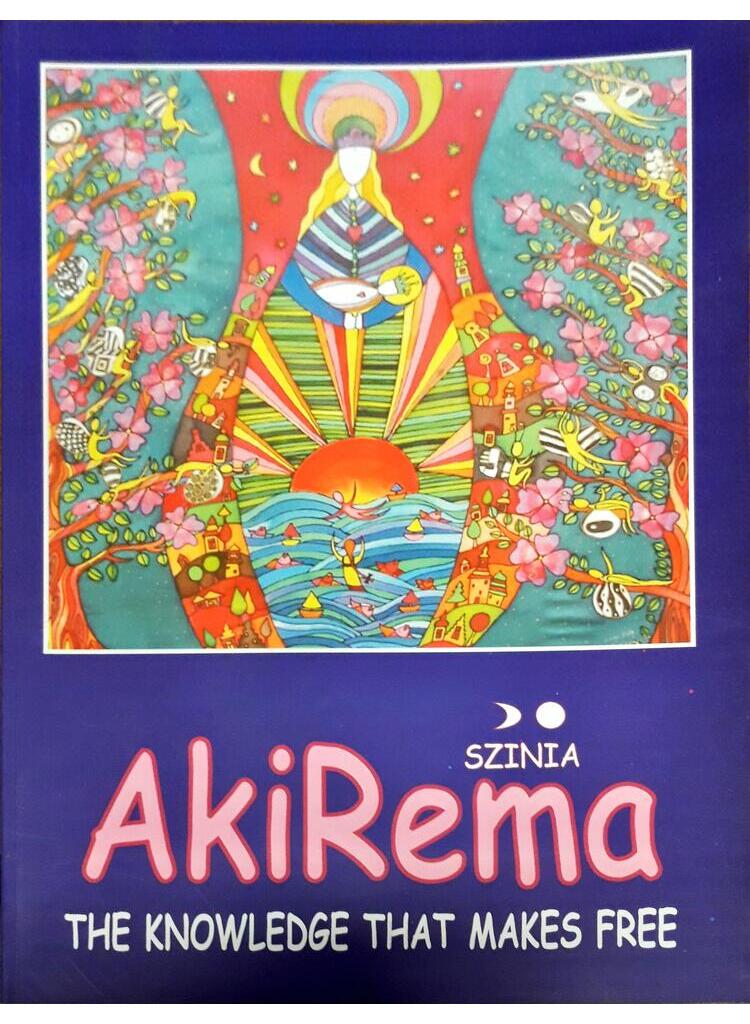
AkiRema
0800 FtThe name America is a palindromic one. Reading from the right to the left, the name AMERICA reads ACIREMA. ACI-RE-MA in tatos language means ‘The One Who is the Sun God of Today’ The ‘tatos language’ is the world’s missing secret clerical and esoteric language. This language was very well certain, from the moment of naming her, that America was going to shape the next world cycle on Earth, by possessing the power of the Sun God. The question is how she is going to shape the world … And whether she is going to have enough time to finish her artwork. The reason for the ‘tatos’ have been existing on earth is to share the divine knowledge with the rising civilizations, to ignate the evolution, and then step aside letting the certain civilization to develop in its own unique way. However there are instances when the tatos are compelled to speak…
-

-

-
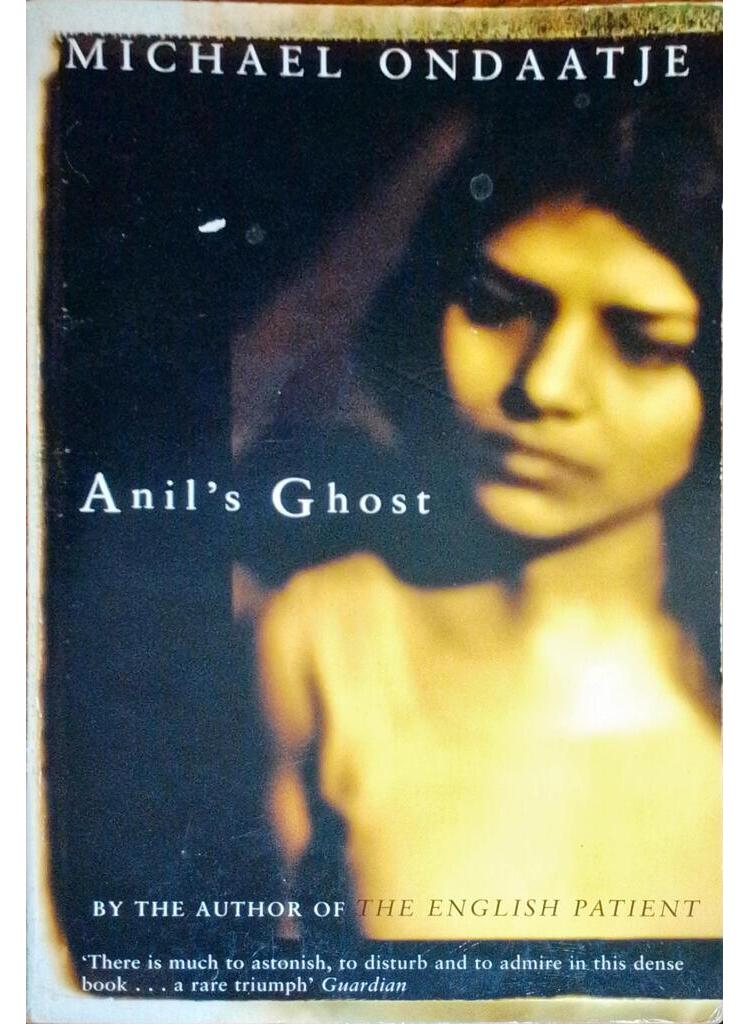
Anil’s Ghost
01 000 FtAnil’s Ghost transports us to Sri Lanka, a country steeped in centuries of tradition, now forced into the late twentieth century by the ravages of civil war. Into this maelstrom steps Anil Tissera, a young woman born in Sri Lanka, educated in England and America, who returns to her homeland as a forensic anthropologist sent by an international human rights group to discover the source of the organized campaigns of murder engulfing the island. What follows is a story about love, about family, about identity, about the unknown enemy, about the quest to unlock the hidden past–a story propelled by a riveting mystery. Unfolding against the deeply evocative background of Sri Lanka’s landscape and ancient civilization, Anil’s Ghost is a literary spellbinder–Michael Ondaatje’s most powerful novel yet.
-
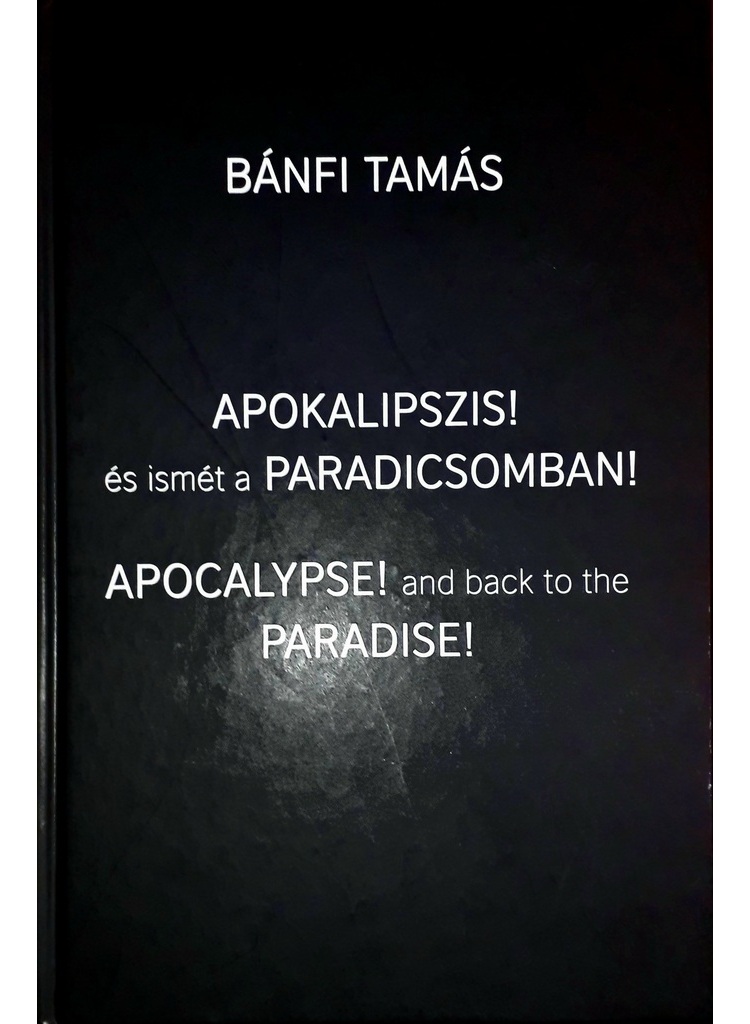
Apokalipszis! és ismét a Paradicsomban / Apocalypse! and back to the Paradise!
02 100 FtKörnyezetpusztítás, csökkenő foglalkoztatottság, adóharmonizáció vagy adóháború
-
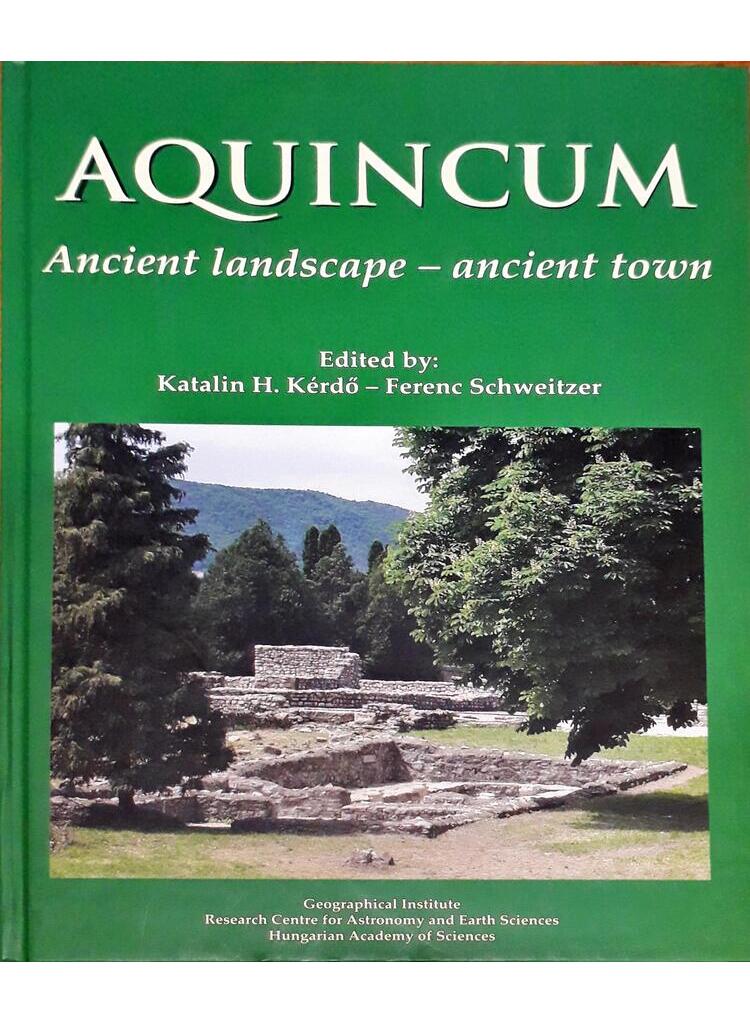
Aquincum
06 000 FtGeomorphological–paleoenvironmental studies supporting archeological excavations and investigations are to be considered a new trend within the broader sphere of studies on environment and geomorphology. By publishing the latest achievements of researches of this kind carried out on the territory of Aquincum and in its wider surroundings this book may equally reckon on the interest of professional circles and inquiring audience. Therefore the publication of such a volume of somewhat unusual character is welcome. The project could be completed as a result of the close cooperation of two important branches of studies, notably geography and archeology. They both have long lasting traditions in our country and on this occasion were represented by two prominent institutions, the Geographical Institute of the Hungarian Academy of Sciences, and the Aquincum Museum of the Budapest History Museum. Their contribution has made possible the publication of this book. The studies were aimed to clear up the role of those natural factors which exerted a profound infl uence on the development of the sett lement structure during the Roman Period. Romans had a special ability to realize advantages provided by geomorphological characteristics and they had made a good use of natural waters, fl ood-plain surface features and parent rocks for their creativity. The volume is also deemed as a pioneering work with regard to the richly illustrated presentation of geological, geographical and other natural features exposed in several places in the course of archeological excavations. A short summary shows the most important objects of the Roman Period related to natural endowments and traces of activities of the time leading to environmental transformation. Based on geomorphological evidence a new answer is proposed to a previously raised problem whether the Hajógyári Island existed as an islet already in the time of the Romans. Another intriguing issue tackled is the purpose of the system of trenches found in several places along the Danube River.
-

-
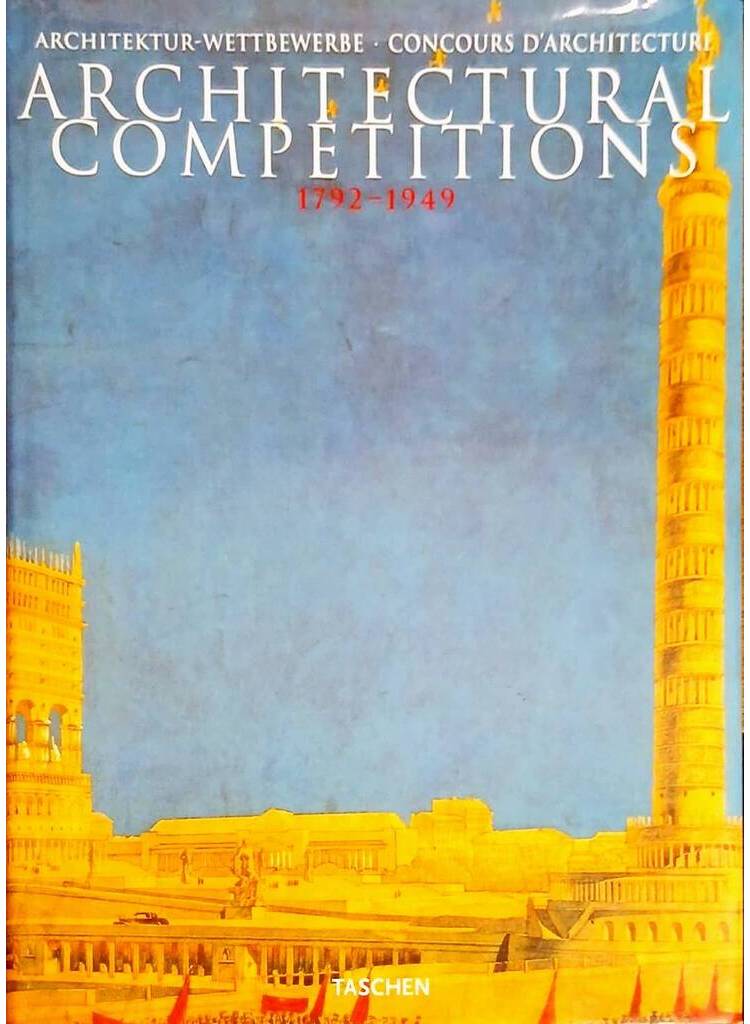
Architectural Competitions
09 000 FtHow should we evaluate architecture? According to the principles established for architectural competitions? Or are there, ultimately, more fundamental considerations, such as human dignity? The two books under review invite and, to a large extent, answer these questions.
-
-

Atlas Shrugged
04 500 FtAtlas Shrugged is the astounding story of a man who said that he would stop the motor of the world–and did. Tremendous in scope, breathtaking in its suspense, Atlas Shrugged stretches the boundaries further than any book you have ever read. It is a mystery, not about the murder of a man’s body, but about the murder–and rebirth–of man’s spirit.
-
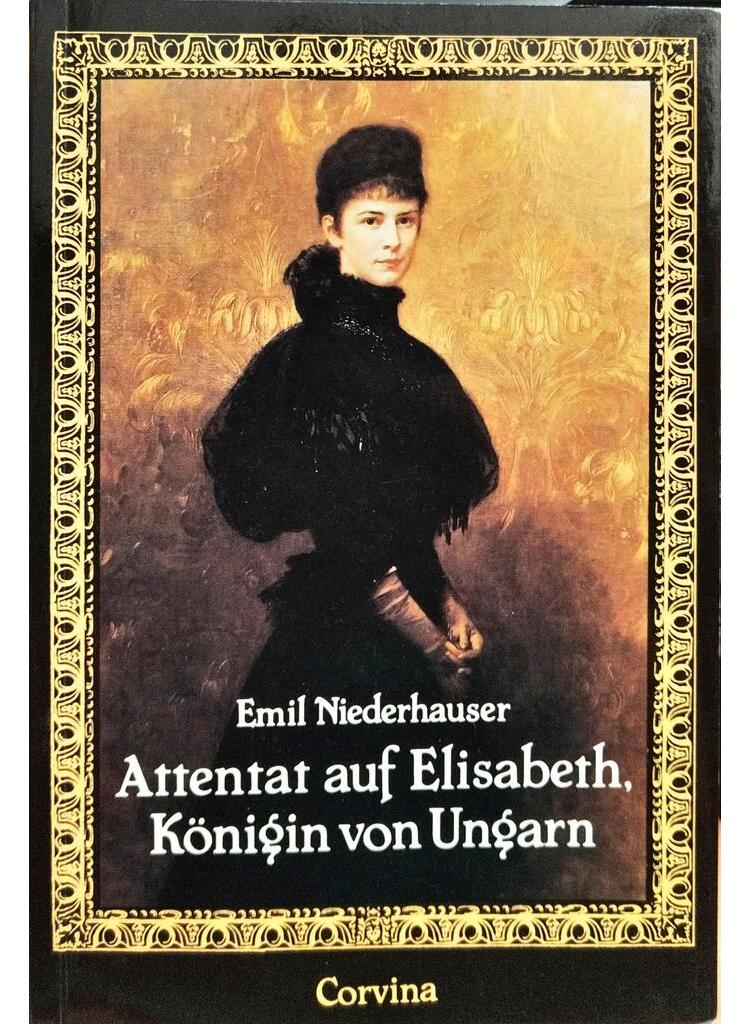
Attentat auf Elisabeth, Königin von Ungarn
01 200 FtDie Ermordung der Kaiserin und Königin Elisabeth durch einen Anarchisten 1898 in Genf erregte riesiges Aufsehen und wird uns durch die heutigen terroristischen Anschläge immer wieder in Errinerung gebracht.
Der Historiker Emil Niederhauser, korrespondierendes Mitglied der Ungarischen Akademie der Wissenschaft, berichtet über die Ereignisse und deren Hintergrund, indem er den Fachkollegen und den historisch interessierten Leser gleichermassen anspricht. Im ersten Teil seines Buches berichtet er vom Attentat und gibt abschliessend eine kurze Skizze des Lebens der Königen, dieser „ersten modernen Frau”, wie sie Brigitte Haman, ihre Biographin, nennt. Liberal, aufgeschlossen gegenüber neuen Ideen, selbst eine Dichterin, die in Heine ihren Abgott sah, konnte sie sich in dem steifen Zeremoniell des Wiener Hofes nur fremd und unglücklich fühlen. Aus ihrem Widerwillen gegen diesen Hof entstand ihr Interesse für Ungarn und die Magyaren, die ihr lieb sein mussten, da sie jedermann am Hofe hasste, Daher ihr politisches Engagement zugunsten der Ungarn in den Verhandlungen um den österreich-ungarischen Ausgleich. In den letzten Jahren des Jahrhunderts war sie aber nur mehr ein seltener Gast am Wiener Hof, von Familientragödien und Krankheit geplagt irrte sie ruhelos in ganz Europa umher.
Das zweite Teil stellt die Fahndung nach dem vermeintlichen Komplizen des Attentäters, Luigi Lucheni, dar, wobei auch sein unglückliches Schicksal, das ihn zu den Anarchisten führte, nachgezeichnet wird. Der Verfasser skizziert auch die Herkunft der anarchistischen Ideen und den organisatorischen Wandel der Bewegung, natürlich nur bis zum Augenblick des Attentats. Zu jener Zeit wurde eine Reihe von Attentaten verübt, nicht nur auf Staatoberhäupter und Politiker, sondern auch auf einfache Menschen. Parallelen zur Gegenwart werden nicht gezogen, aber das erübrigt sich aufgrund des Erzählten.
Honterus Antikvárium és Aukciós Ház