Elérhetőség: Készleten

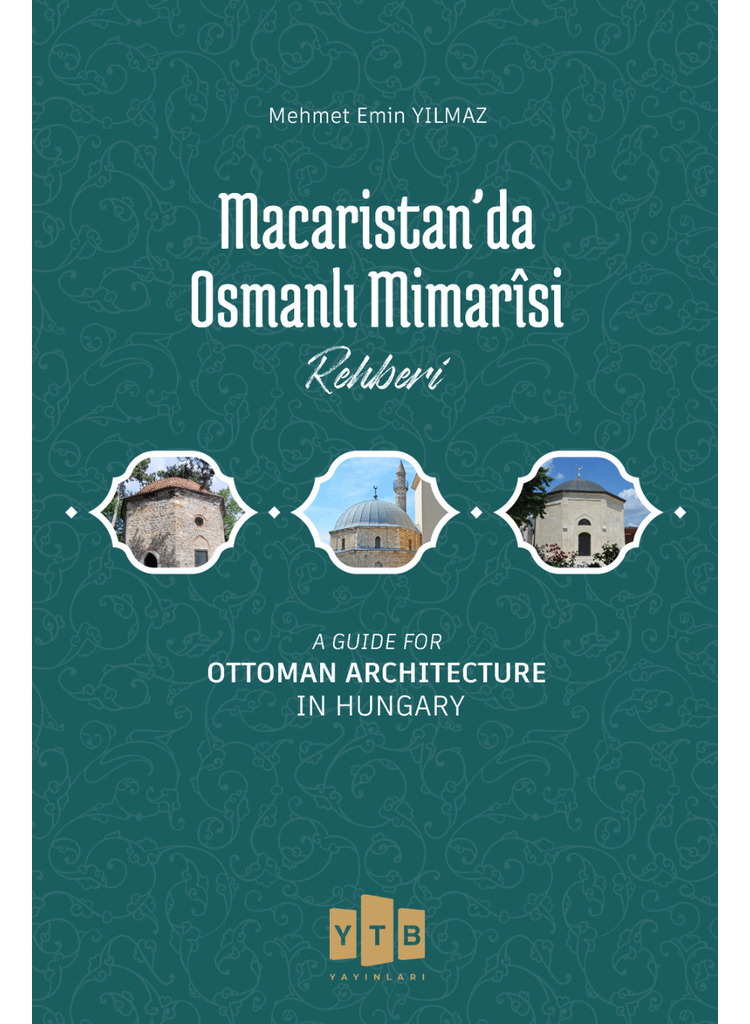
A Guide for Ottoman Architecture in Hungary / Macaristan’da Osmanli Mimarisi

Cikkszám: 106626

2 500 Ft

Ottoman Empire, one of the most powerful empires in global history, linked three continents to one another based on a policy of conquests and holy wars in line with its founding mindset and sense of civilization and served as a safeguard for peace, serenity, and fairness across the lands that it ruled. Diverted to the Balkans and the West starting from the 14 th century in particular, the policy of conquest and conciliation gave rise to a shared culture and a diverse set of architectural monuments in those lands. Built-in the most exquisite and enhancive style of the time, each architectural monument is a precious token of how the Ottoman Empire was the epitome and flag-bearer of such an influential civilization not only in political, military, and economic terms but also in cultural and architectural aspects. Gracing a wide array of cultural lands inch by inch, the Ottoman architecture left indelible impressions on Hungary where people co-existed under the umbrella of the same state for nearly 150 years. Erected during the rule of the Ottoman Empire, mosques, castles, fountains, public baths, cemeteries, shrines, hot springs, and so forth make up the key architectural wonders of the Ottoman Hungary. Identifying the monuments, most of which regrettably could not make it to modern times, and handing down those that survive to the next generation as they should be is of great importance for the Turkish-Hungarian friendship and our shared cultural heritage to be everlasting in confidence. Keeping a record of the Ottoman architectural monuments that are located across Hungary and still standing, this guide. Foreword is a momentous work as it boasts the architectural aspect of the friendly relations between Türkiye and Hungary, and brings out the extant monuments in an orderly fashion. It is particularly delightful to publish such an invaluable guide within the Turkish-Hungarian Culture Year celebrated for the anniversary of the Agreement of Friendship signed by and between the two countries. I would like to congratulate all who have offered a lot to the development of A Guide for Ottoman Architecture in Hungary, especially Msc. Architect Mehmet Emin Yılmaz, the author of the guide, for their efforts, and wish that it will add to the bonds of friendship and brotherhood between the two countries
1 készleten

Leírás

Ottoman Empire, one of the most powerful empires in global history, linked three continents to one another based on a policy of conquests and holy wars in line with its founding mindset and sense of civilization and served as a safeguard for peace, serenity, and fairness across the lands that it ruled. Diverted to the Balkans and the West starting from the 14 th century in particular, the policy of conquest and conciliation gave rise to a shared culture and a diverse set of architectural monuments in those lands. Built-in the most exquisite and enhancive style of the time, each architectural monument is a precious token of how the Ottoman Empire was the epitome and flag-bearer of such an influential civilization not only in political, military, and economic terms but also in cultural and architectural aspects. Gracing a wide array of cultural lands inch by inch, the Ottoman architecture left indelible impressions on Hungary where people co-existed under the umbrella of the same state for nearly 150 years. Erected during the rule of the Ottoman Empire, mosques, castles, fountains, public baths, cemeteries, shrines, hot springs, and so forth make up the key architectural wonders of the Ottoman Hungary. Identifying the monuments, most of which regrettably could not make it to modern times, and handing down those that survive to the next generation as they should be is of great importance for the Turkish-Hungarian friendship and our shared cultural heritage to be everlasting in confidence. Keeping a record of the Ottoman architectural monuments that are located across Hungary and still standing, this guide. Foreword is a momentous work as it boasts the architectural aspect of the friendly relations between Türkiye and Hungary, and brings out the extant monuments in an orderly fashion. It is particularly delightful to publish such an invaluable guide within the Turkish-Hungarian Culture Year celebrated for the anniversary of the Agreement of Friendship signed by and between the two countries. I would like to congratulate all who have offered a lot to the development of A Guide for Ottoman Architecture in Hungary, especially Msc. Architect Mehmet Emin Yılmaz, the author of the guide, for their efforts, and wish that it will add to the bonds of friendship and brotherhood between the two countries
További információk

Tömeg 0,4 kg
Szerző

Kiadó

Kiadás helye

Kiadás éve

Fordító

Terjedelem

Nyelv

Kötés típusa

ISBN/ISSN

Állapot

Értékelések

Még nincsenek értékelések.

„A Guide for Ottoman Architecture in Hungary / Macaristan’da Osmanli Mimarisi” értékelése elsőként

Az e-mail címet nem tesszük közzé. A kötelező mezőket * karakterrel jelöltük