-

Children’s Fashions of the Past in Photographs
0600 FtCapture a glimpse of yesteryear from these 165 studio photos of American and European children from the 1860s to the 1920s.
-
-
A Guide for Ottoman Architecture in Hungary / Macaristan’da Osmanli Mimarisi
02 500 FtOttoman Empire, one of the most powerful empires in global history, linked three continents to one another based on a policy of conquests and holy wars in line with its founding mindset and sense of civilization and served as a safeguard for peace, serenity, and fairness across the lands that it ruled. Diverted to the Balkans and the West starting from the 14 th century in particular, the policy of conquest and conciliation gave rise to a shared culture and a diverse set of architectural monuments in those lands. Built-in the most exquisite and enhancive style of the time, each architectural monument is a precious token of how the Ottoman Empire was the epitome and flag-bearer of such an influential civilization not only in political, military, and economic terms but also in cultural and architectural aspects. Gracing a wide array of cultural lands inch by inch, the Ottoman architecture left indelible impressions on Hungary where people co-existed under the umbrella of the same state for nearly 150 years. Erected during the rule of the Ottoman Empire, mosques, castles, fountains, public baths, cemeteries, shrines, hot springs, and so forth make up the key architectural wonders of the Ottoman Hungary. Identifying the monuments, most of which regrettably could not make it to modern times, and handing down those that survive to the next generation as they should be is of great importance for the Turkish-Hungarian friendship and our shared cultural heritage to be everlasting in confidence. Keeping a record of the Ottoman architectural monuments that are located across Hungary and still standing, this guide. Foreword is a momentous work as it boasts the architectural aspect of the friendly relations between Türkiye and Hungary, and brings out the extant monuments in an orderly fashion. It is particularly delightful to publish such an invaluable guide within the Turkish-Hungarian Culture Year celebrated for the anniversary of the Agreement of Friendship signed by and between the two countries. I would like to congratulate all who have offered a lot to the development of A Guide for Ottoman Architecture in Hungary, especially Msc. Architect Mehmet Emin Yılmaz, the author of the guide, for their efforts, and wish that it will add to the bonds of friendship and brotherhood between the two countries
-
The Templar Tradition in the Age of Aquarius
02 500 FtGaetan Delaforge gives an authoritative introduction to what he considers to be a true Western esoteric tradition suited to the modern man and woman in search of a spiritual-ity which would be part and parcel of everyday life. This book is addressed to readers who are concerned not only with their own spiritual development, but also with helping their fellow human beings and this ailing planet. Any serious reader looking for a synthesis of the Western Esoteric Tradi-tion will be struck by the clarity and sincerity of this book and will find in it a great deal of inside information which until now has been restricted to a few select circles. Explaining what the Templar Tradition really is and how its knowledge is applied to groups working today, this book brings light to a subject that has until now remained largely a mystery. For the modern seeker of the Grail, eager to go on the Quest, this could be „The Book.”
-
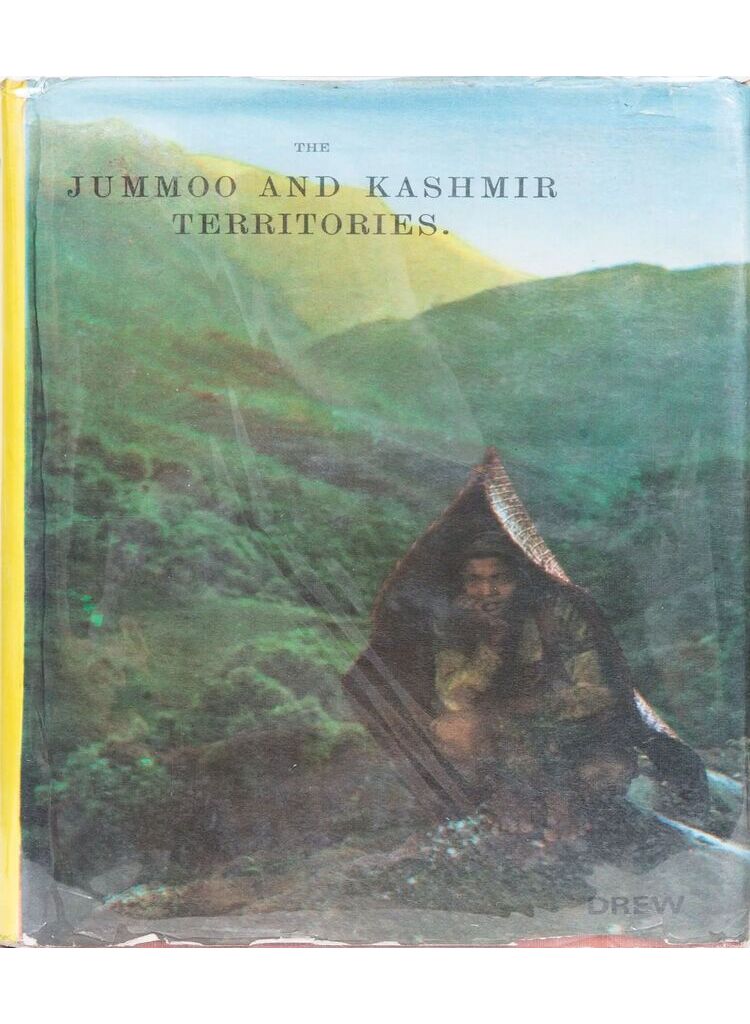
The Jummo and Kashmir Territories
012 000 FtKarachi, Pakistan: Indus Publications, 1980. Reprint. Hardcover. 568 pp. ill. large folding maps in rear pocket inside back cover. Drew was employed by the Maharajah of Kashmir to study the country,s geography. For a time he was also governor of Ladakh. The book covers Jammu, Kashmir, Ladakh, Baltistan and Dardistan. It is still considered reliable and screamingly scarce in original edition.
-
Between the Oxus and the Indus
06 000 FtTHE River Oxus rises in the snows of the Pamirs, in that remote region where Afghanistan joins China, and the two keep apart the territories of India and Asiatic Russia. The Oxus flows west till it reaches the Aral Sea, and at its source the mountains on its left are the boundary between British and Afghan territory. On the British side are the two States of Hunza and Ishkoman, both in the Gilgit political agency. The Indus, in its long and tortuous journey from Tibet to the Arabian Sea, leaves Baltistan and flows south, skirting the Gilgit Agency, and passing through the wild republics of Kohistan till it emerges at Attock in the comparative peace of the Punjab. Between the source of the Oxus in the north and the Indus in the south lies the Gilgit Agency, an appanage of the Maharaja of Kashmir and under the charge of a British political agent. In this distant and rugged region the mountains of the Karakoram, Hindu Icush and Pamirs unite and form an intricate network of glacier, peak and valley. In deep narrow valleys nestle villages where straightened fields are I I tended with endless labour, and thus a considerable population, which has preserved its customs and independence for centuries, is supported. In themselves these communities are often small and insignificant, but in the aggregate they form a considerable and varied population, which occupies an important and extensive part of the Frontier tracts of India. Indeed, the Gilgit Agency is one of the gates of India. It is possible for a man to go to the north of Hunza and stand in a place where he may look down into Afghanistan, on the source of the Oxus, with Soviet Russia beyond, and Chinese territory close on his right with the streams draining into Central Asia and finding their way to far Lop Nur, whilst behind him the melting snows send their water to the Indian Ocean. If this spectator be well mounted, he can leave Misgar, the most northerly village of Hunza, cross the frontier into Chinese territory, ride across that narrow tongue of land and over an easy pass and, if he has started early, he can reach Kizil Robat, the farthest post south-east of Bolshevist Asia, and do his shopping in a Russian bazaar. In the past eight years it has fallen to my lot to visit the Gilgit Agency a number of times and the following account has resulted from these journeys. Visitors are rare, and are not encouraged, since the economic situation has always to be watched. The garrison has to be victualled from Kashmir, with difficulty and expense. One of the chief anxieties is the scarcity of fodder, which makes transport dear and inadequate. For six months in the year, too, the Agency is cut off from India owing to the impossibility of crossing the high passes which lie on the route, whether from Kashmir or from the south. The Agency has some unpleasant neighbours in the disorderly republics that surround it, and the two valleys of Dare1 and Tangir, lands of blood-feuds and vendettas, are a constant nuisance to the officials. These two States are typical of the other republics that lie in Kohistan. These petty democracies are interesting but disagreeable survivals of a turbulent past, and have no attractions whatever, and certainly no virtues to justify their continuance as independent communities. These non-Pathan republics have failed to evolve any system of self-government. They have continued for generations wholly unable to govern themselves, heedless of their own chosen assemblies, and depending solely on the knife or the rifle to settle their difficulties or to avenge themselves. It is a state of affairs which the independent Pathan tribesmen would never tolerate. This book makes no pretence to being exhaustive or authoritative. It endeavours to give no more than an account of this remote region where life is still simple, and where many attractive customs survive. The following books have been of use to me, though one or two of them are, of course, quite out of date : In the Footsteps of Marco Polo by Clarence Dalrymple Bruce, The Marches of Hindustan by David Fraser, The Making of a Frontier by Colonel A. G. A. Durand, Political Frontiers and Boundary Making by Sir Thos. H. Holdich, Where Three Empires Meet by E. F. Knight, Chinese Central Asia, etc., by C. P. Skrine, Tribes of the Hindoo Koosh by Major J. Biddulph, Jammu and Kashmir by Frederic Drew, Among the Kara-Korum Glaciers in 1925, with Contributions by Ph. C. Visser, by Jenny Visser, Results of a Tour in Dardistan, Kashmir, Little Tibet, Ladak, Zanskar, etc., by G. W. Leitner. I wish to express my thanks to my friend Mr. David McLean for the help that he has given in preparing my book for publication.
-
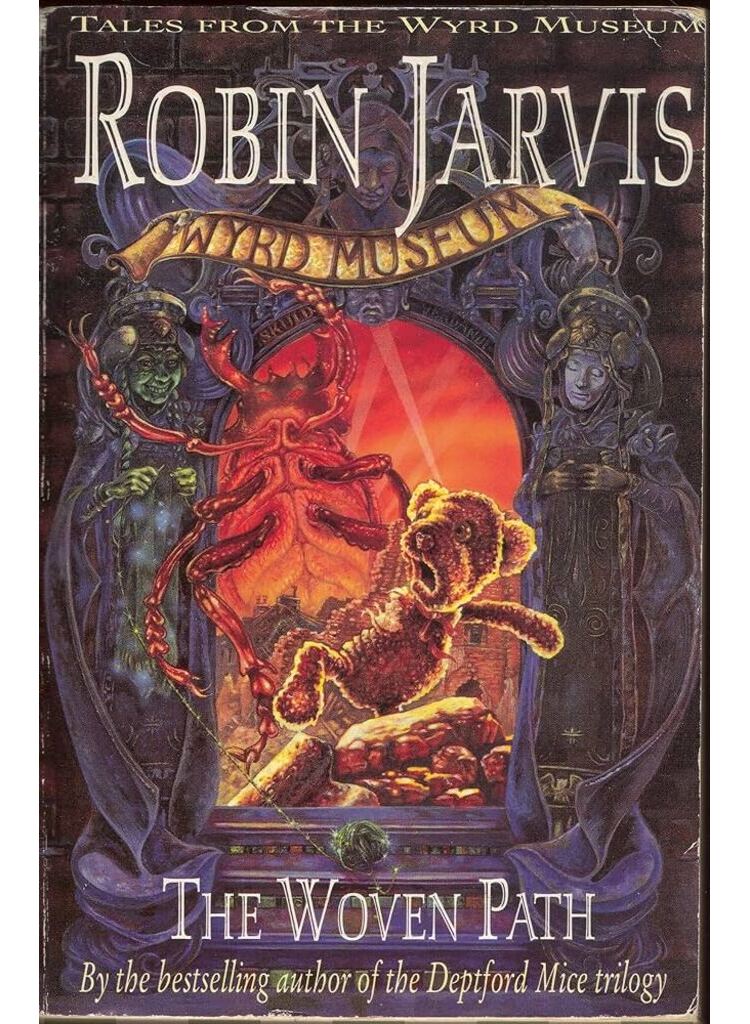
The Woven Path
0360 FtIn a grimy alley in the East End of London stands the Wyrd Museum, cared for by the strange Webster sisters – and scene of even stranger events. Wandering through the museum, Neil Chapman, son of the new caretaker, discovers it is a sinister place crammed with secrets both dark and deadly. Forced to journey back to the past, he finds himself pitted against an ancient and terrifying evil, something, which is growing stronger as it feeds on the destruction around it… DARE to enter the chilling and fantastical world of the Wyrd Museum in this first book of a compelling trilogy.
-
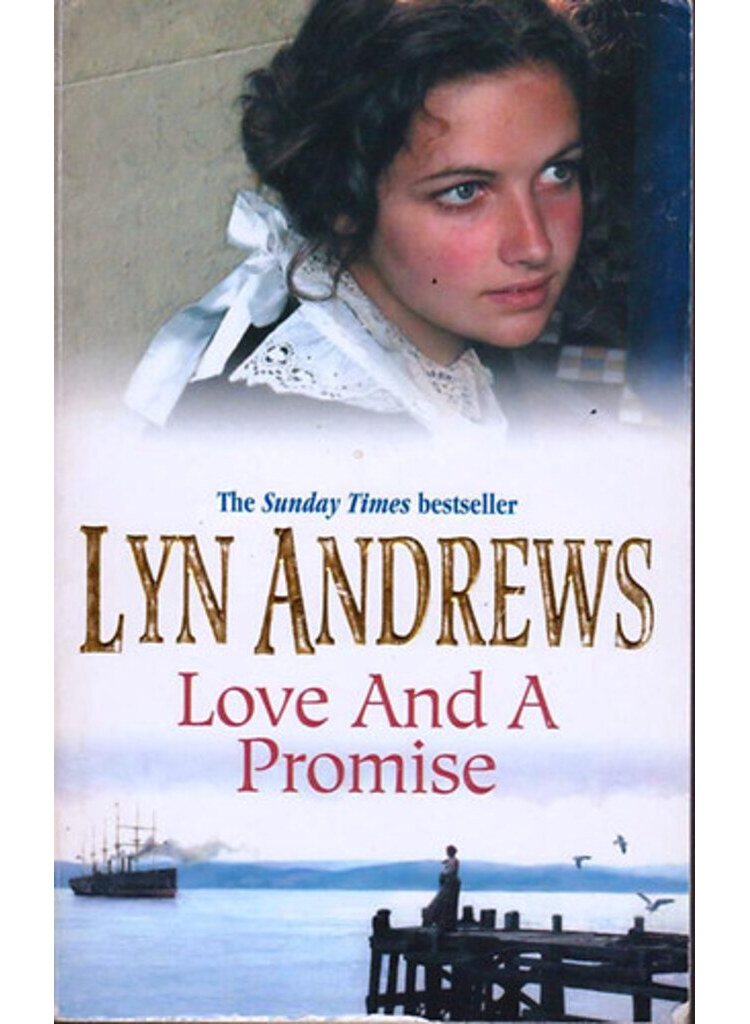
Love and Promise
0600 FtMaddy Kiernan knows her situation is desperate. With her parents dead, her brother Thomas is left as guardian to her and her sister Carmel, and Thomas, Maddy is all too aware, only cares about himself. When his plans to marry the daughter of the Protestant canal agent backfire Thomas takes off to Liverpool, leaving the girls to fend for themselves. Taking the momentous decision to follow their brother, Maddy leaves for Liverpool. Within days the girls are destitute, reduced to living in a cellar, their money gone. Eventually, Maddy finds work as a maid to an old lady, becoming her unpaid companion and sole beneficiary of her will. But Maddy has to promise not to marry until the woman who has rescued her and her sister dies. When Maddy meets a young seaman she realises she may have to choose between love and that promise…
-

The Bone Clocks
02 000 FtFollowing a scalding row with her mother, fifteen-year-old Holly Sykes slams the door on her old life. But Holly is no typical teenage runaway: a sensitive child once contacted by voices she knew only as “the radio people,” Holly is a lightning rod for psychic phenomena. Now, as she wanders deeper into the English countryside, visions and coincidences reorder her reality until they assume the aura of a nightmare brought to life. For Holly has caught the attention of a cabal of dangerous mystics—and their enemies. But her lost weekend is merely the prelude to a shocking disappearance that leaves her family irrevocably scarred. This unsolved mystery will echo through every decade of Holly’s life, affecting all the people Holly loves—even the ones who are not yet born. A Cambridge scholarship boy grooming himself for wealth and influence, a conflicted father who feels alive only while reporting from occupied Iraq, a middle-aged writer mourning his exile from the bestseller list—all have a part to play in this surreal, invisible war on the margins of our world. From the medieval Swiss Alps to the nineteenth-century Australian bush, from a hotel in Shanghai to a Manhattan townhouse in the near future, their stories come together in moments of everyday grace and extraordinary wonder.
-
-

The Divine Conspiracy
02 000 FtThe Divine Conspiracy has revolutionized how we think about the true meaning of Christian discipleship. In this classic work of spiritual formation, one of the most brilliant Christian thinkers of our times and author of the acclaimed The Spirit of Disciplines, Dallas Willard, skillfully weaves together biblical teaching, popular culture, science, scholarship, and spiritual practice, revealing what it means to „apprentice” ourselves to Jesus. Using Jesus’s Sermon on the Mount as his foundation, Willard masterfully explores life-changing ways to experience and be guided by God on a daily basis, resulting in a more authentic and dynamic faith.
-
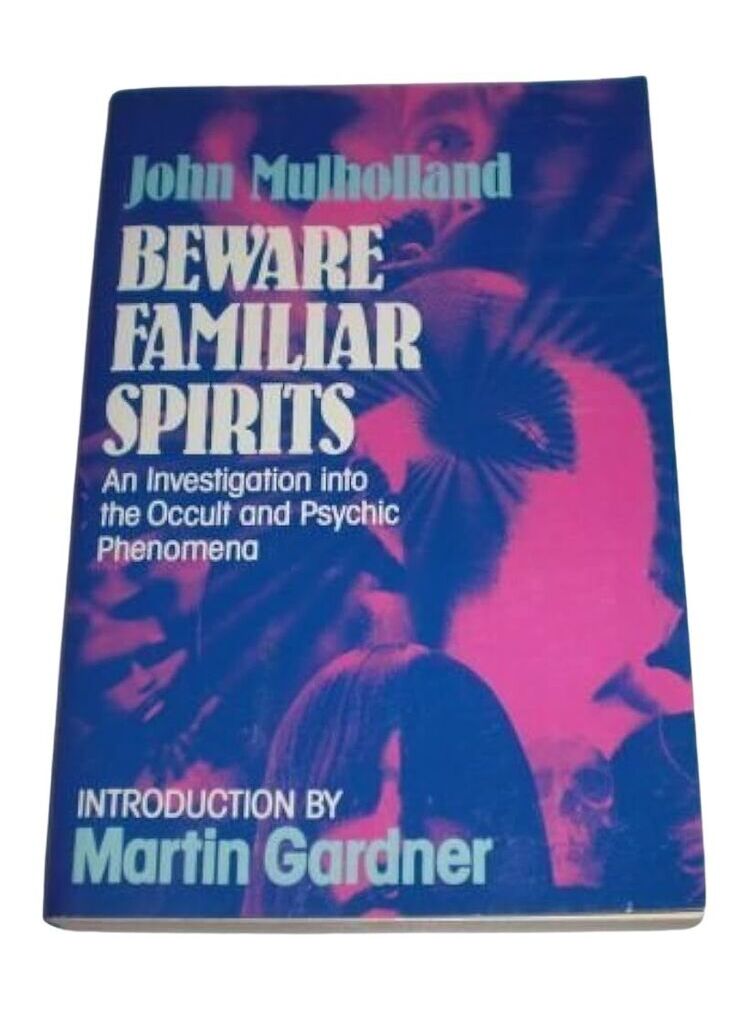
Beware Familiar Spirits
0600 FtMillions believe in spirits. This amazing and factual account of ghostly beings, their work, and their masters, tells why. It is the product of long study and careful investigation by the author, a close student of Spiritism for many years.
-
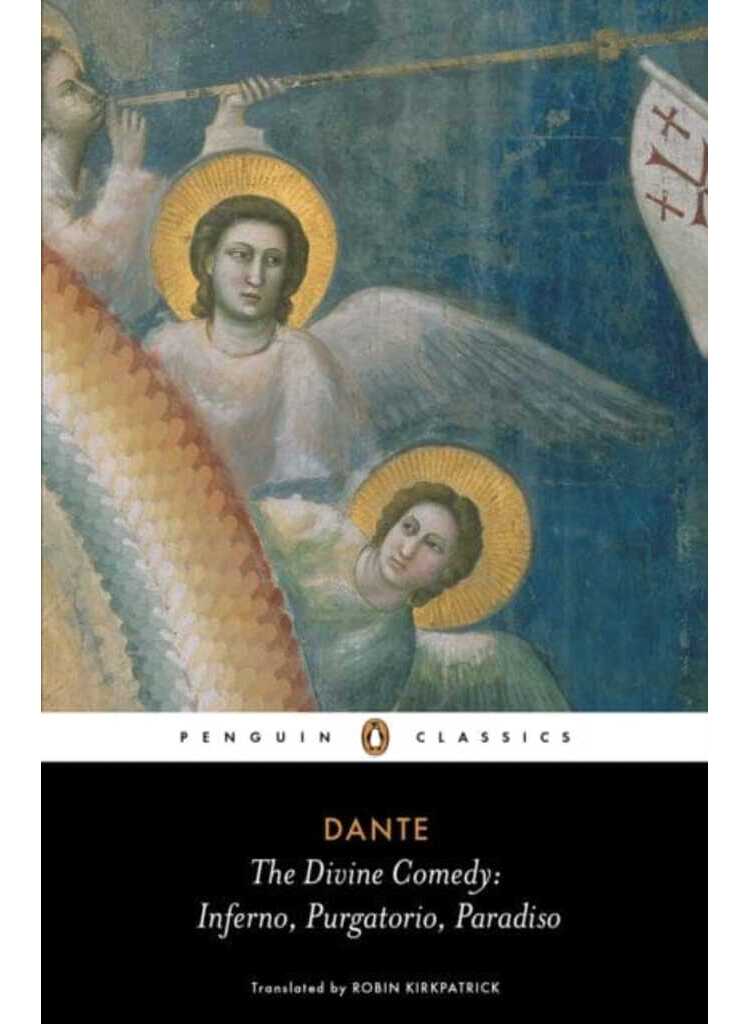
The Divine Comedy
02 000 FtRobin Kirkpatrick’s masterful verse translation of The Divine Comedy, published in a single volume, is the ideal edition for students as well as the general reader coming to this great masterpiece of Italian literature for the first time The Divine Comedy describes Dante’s descent into Hell with Virgil as a guide; his ascent of Mount Purgatory and encounter with his dead love, Beatrice; and finally, his arrival in Heaven. Examining questions of faith, desire and enlightenment, the poem is a brilliantly nuanced and moving allegory of human redemption.
-
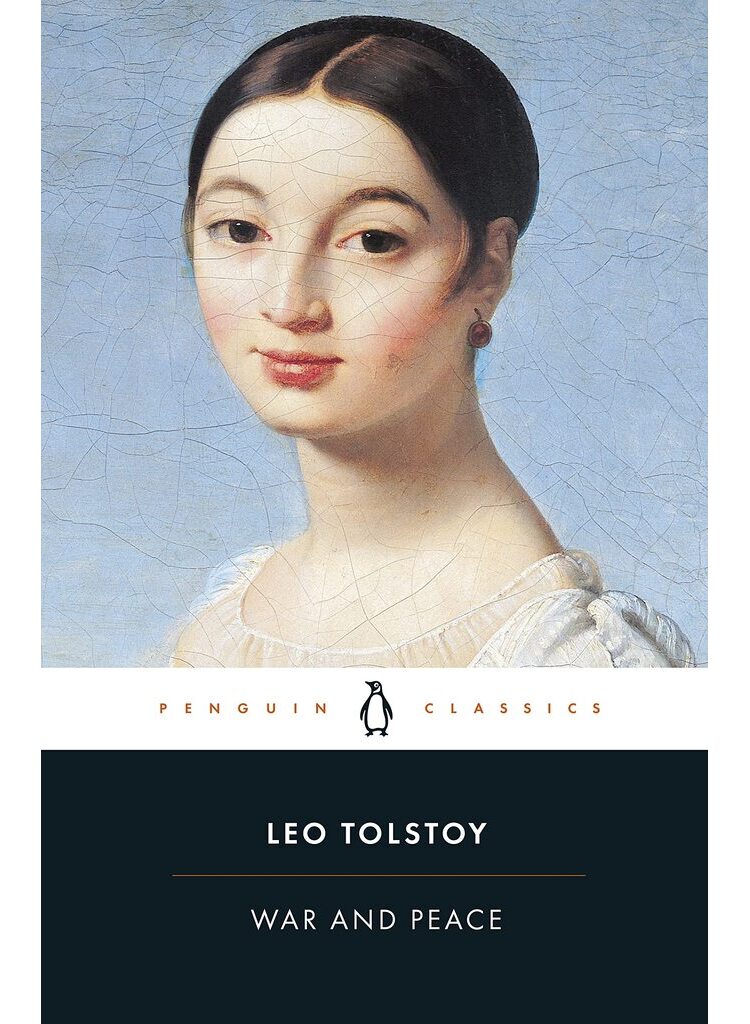
War and Peace
03 000 FtLeo Tolstoy’s „War and Peace” is a sprawling epic covering the impact of Napoleon’s disastrous invasion of Russia on five different families. This „Penguin Classics” edition is translated with an introduction and notes by Anthony Briggs, with an afterword by Orlando Figes, author of „A People’s Tragedy: Russian Revolution 1891-1924”. At a glittering society party in St Petersburg in 1805, conversations are dominated by the prospect of war. Terror swiftly engulfs the country as Napoleon’s army marches on Russia, and the lives of three young people are changed forever. The stories of quixotic Pierre, cynical Andrey and impetuous Natasha interweave with a huge cast, from aristocrats and peasants to soldiers and Napoleon himself. In „War and Peace”, Tolstoy entwines grand themes – conflict and love, birth and death, free will and faith – with unforgettable scenes of nineteenth-century Russia, to create a magnificent epic of human life in all its imperfection and grandeur. Anthony Briggs’ superb translation combines stirring, accessible prose with fidelity to Tolstoy’s original, while Orlando Figes’ afterword discusses the novel’s vast scope and depiction of Russian identity. This edition also contains appendices, notes, a list of prominent characters and maps. Leo Tolstoy (1828-1910) was born at Yasnaya Polyana, in central Russia. After marrying Sofya Behrs in 1862, Tolstoy settled down, managing his estates and writing two of his best-known novels, „War and Peace” (1869) and „Anna Karenina” (1878). In 1884 Tolstoy experienced a spiritual crisis, becoming an extreme moralist, rejecting the state, the church and private property. His last novel, „Resurrection” (1900), was written to raise money for the Doukhobor sect of Christian spiritualists. If you enjoyed „War and Peace”, you might also like Fyodor Dostoyevsky’s „The Brothers Karamazov”. „A masterpiece…This new translation is excellent”. (Anthony Beevor). „A book that you don’t just read, you live”. (Simon Schama).
-

Atlas Shrugged
04 500 FtAtlas Shrugged is the astounding story of a man who said that he would stop the motor of the world–and did. Tremendous in scope, breathtaking in its suspense, Atlas Shrugged stretches the boundaries further than any book you have ever read. It is a mystery, not about the murder of a man’s body, but about the murder–and rebirth–of man’s spirit.
-
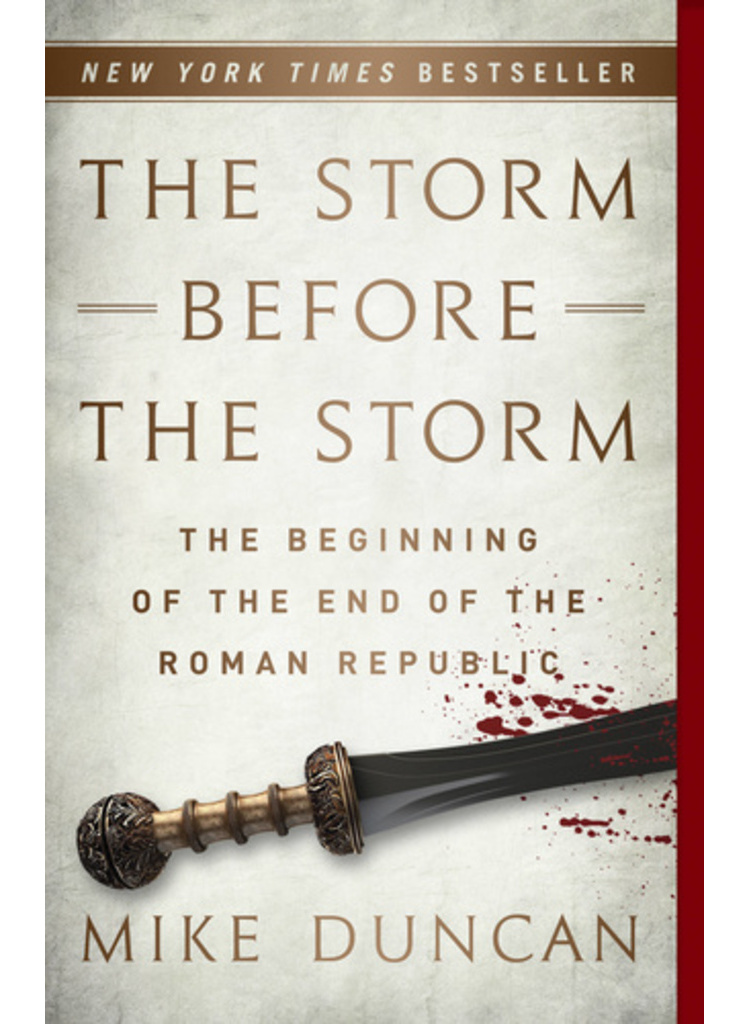
The Storm before the Storm
01 600 FtThe creator of the award-winning podcast series The History of Rome and Revolutions brings to life the bloody battles, political machinations, and human drama that set the stage for the fall of the Roman Republic. The Roman Republic was one of the most remarkable achievements in the history of civilization. Beginning as a small city-state in central Italy, Rome gradually expanded into a wider world filled with petty tyrants, barbarian chieftains, and despotic kings. Through the centuries, Rome’s model of cooperative and participatory government remained remarkably durable and unmatched in the history of the ancient world. In 146 BC, Rome finally emerged as the strongest power in the Mediterranean. But the very success of the Republic proved to be its undoing. The republican system was unable to cope with the vast empire Rome now ruled: rising economic inequality disrupted traditional ways of life, endemic social and ethnic prejudice led to clashes over citizenship and voting rights, and rampant corruption and ruthless ambition sparked violent political clashes that cracked the once indestructible foundations of the Republic. Chronicling the years 146-78 BC, The Storm Before the Storm dives headlong into the first generation to face this treacherous new political environment. Abandoning the ancient principles of their forbearers, men like Marius, Sulla, and the Gracchi brothers set dangerous new precedents that would start the Republic on the road to destruction and provide a stark warning about what can happen to a civilization that has lost its way.
-
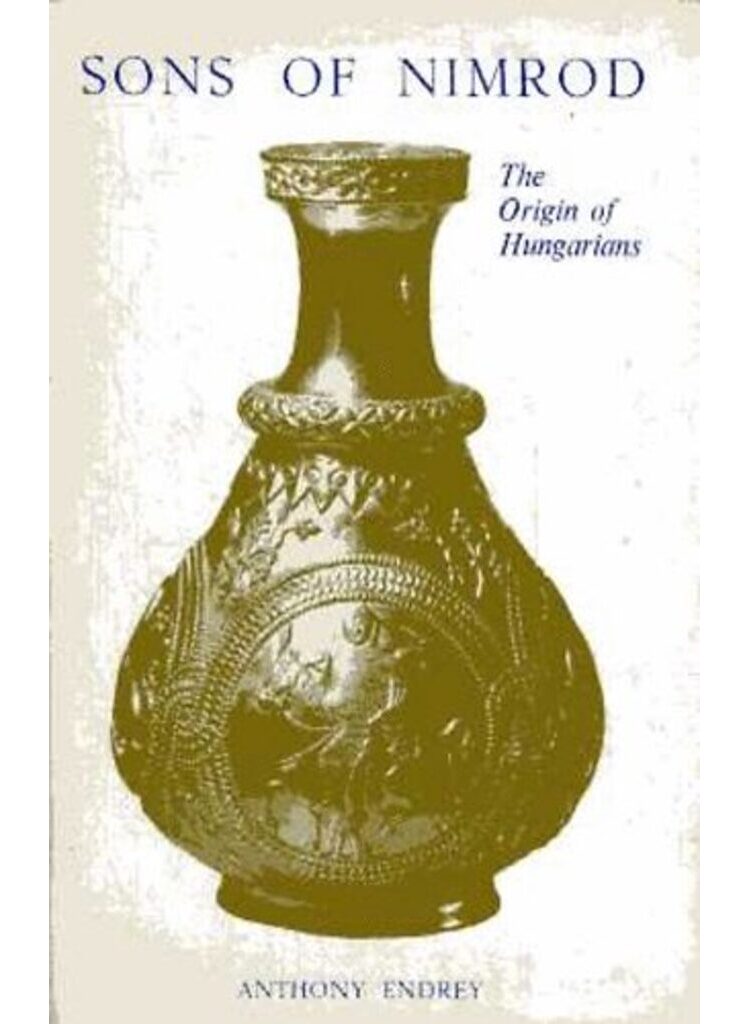
Sons of Nimrod
03 600 FtThere are few peoples the origin of which has been the subject of so many fanciful theories and so much idle speculation as the Hungarians. Perhaps because they have no known relatives, or not very close ones, at any rate, and are a strange race in the heart of Europe, the Magyars have at times excited hostile feelings among the surrounding nations and this hostility has often clouded the judgment of historians and ethnic theorists dealing with their origins and early history. Indeed, this proud and talented race had a ‘hostile press’ from the moment of its appearance on the fringes of the West, probably due to its military superiority, and the prejudices implanted in western minds by the contemporary news media lingered long in historical literature. It was thus with some glee that western writers of the Age of Enlightenment began to assign some extremely primitive and backward tribes to the ancestry of the Hungarians, in much the same way as their mediaeval predecessors made them descend from devils and ogres. All this was diametrically opposed to the traditions of the Hungarians but they protested in vain against the strange relations foisted of them, for the ‘objectivity’ of western writers soon found support in Hungary itself and was firmly embraced by the Hungarian Academy. It so happened then that Hungarians were officially declared to be a Finno-Ugrian people, related to the remotest and least-developed branch of that group, and their ancestors were identified as hunters and fishermen of a low degree of development, inhabiting the forest regions of Russia until they were conquered and civilised by a more advanced people of Turkic race. The writer was brought up on this ‘official’ theory and duly believed it until well into middle age when he started to have doubts and resolved to investigate matters afresh. He approached the subject with an open mind and, being a lawyer by training, took pains in sifting facts from fiction. As he went along, an xi
-
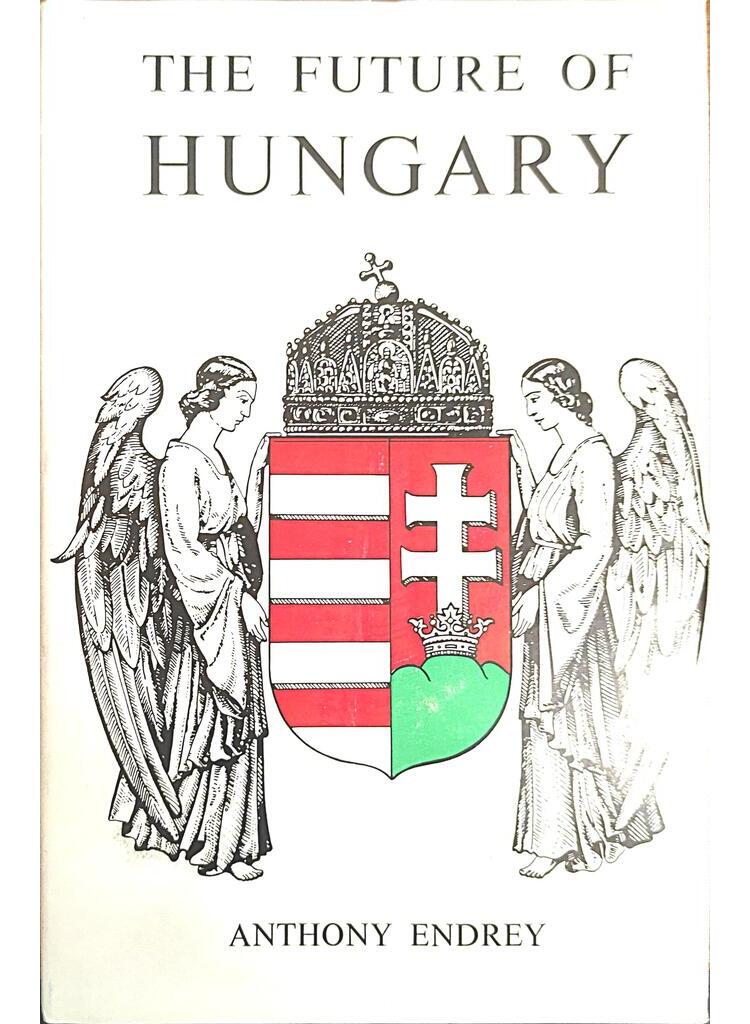
-
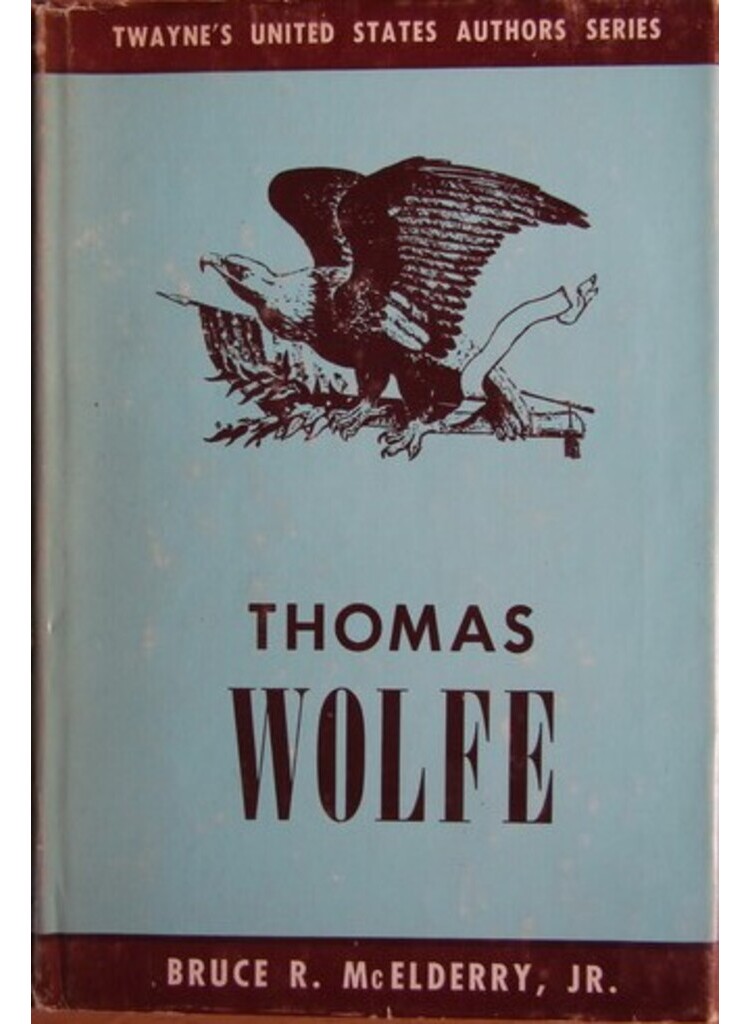
Thomas Wolfe
01 000 FtThis critical analysis of the twentieth-century writer’s career and achievements includes a chronology of his life
-

Carl Sandburg
01 000 FtHarry Golden greatly admired and loved Carl Sandburg, and the feeling was indeed mutual. Toward the end of his life, Sandburg shared his papers, letters, photographs, and memories with Golden. Combining these materials with his own recollections, Golden reconstructs the life of his closest friend. His anecdotal account is both an engaging portrait of Sandburg and a tribute to their friendship. Generations of Sandburg’s devoted readers will want to own this very personal biography.
-
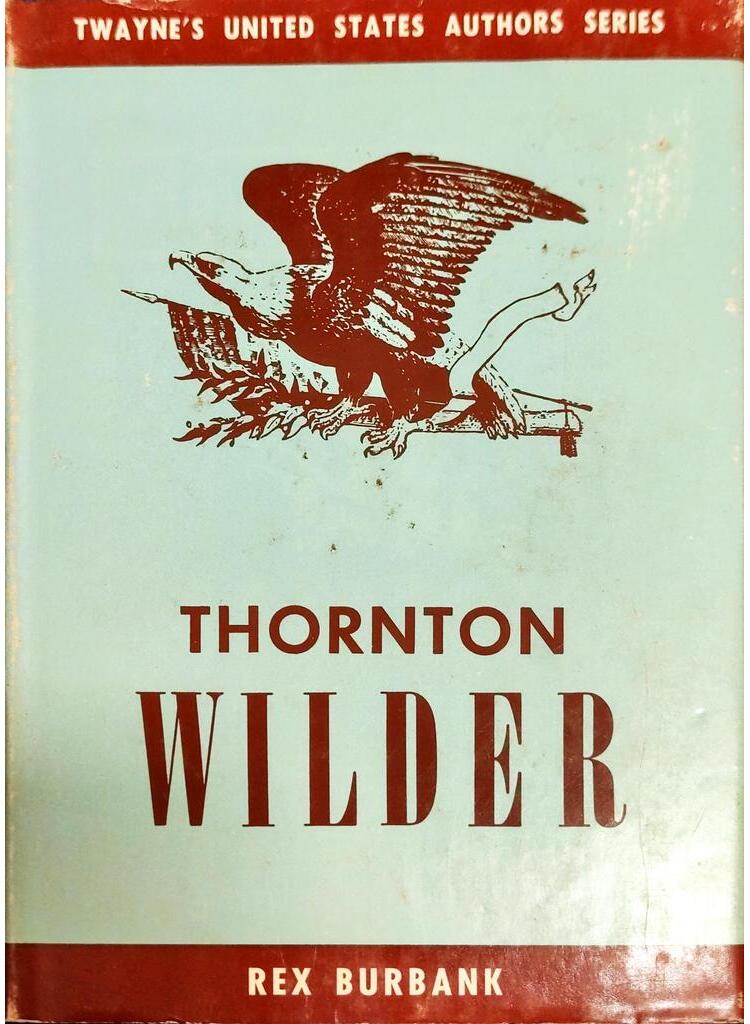
Thornton Wilder
01 000 FtHailed by Critic as „one of the biggest projects now going on in American literature, „Twayne’s United States Authors Series – to include more than two hundred titles-contributes to the wider understanding of our literary and cultural heritage.
-

Álmos
03 000 FtA IX. század közepén a hét magyar törzs laza szövetségben él a Don és a Volga folyók között. Egy emberöltőnyi ideje őrzik a Kazár Birodalom nyugati és déli gyepűjét. Egy emberöltő azonban hosszú idő, a nemzetségek gyarapodnak, a törzsek közötti gyepűk egyre szűkülnek, új legelőkre, új földekre lenne szükség, azonban a kazár kagán nem engedi, hogy nyugatra terjeszkedjenek. Ugyanakkor észak felől a besenyők egyre nagyobb nyomást gyakorolnak a hétmagyar határaira. Az idős Levedit, a megyer törzs szent vezérét – ki a csodafiú szarvas erejét hordozza magában, ám életben maradt fiú utód nélkül közeledik élete végéhez – magához rendeli a kazár kagánbég. A vezért kánná emelve szorosabbra akarja fűzni a szövetséget a magyar törzsekkel; a szövetséget, amely már nemcsak viszonylagos biztonságot nyújt a magyaroknak, hanem korlátok közé is szorítja őket. Levedi elutazásával egy időben az ifjú Álmos, Ügyeknek, a tarján vezérének, és Emesének, a látóasszonynak a fia nyugat felé indul, hogy századával beszedje a folyó menti és erdőlakó népek béradóját. Mire hazatér, a magyar törzsek között vérharag tör ki és egymás ellen fordulnak. Emese, ki a turulforma madár áldását hordozza magán, sorsdöntő lépésre határozza el magát… Cs. Szabó Sándor egyedi hangvételű, lebilincselő regénye Levedi, Emese és Álmos alakjára összpontosítva fest nagy ívű, mégis aprólékos képet a honfoglaló magyarság történetének egyik legmeghatározóbb eseményéről, mindennapjairól és hitvilágáról.
-
-
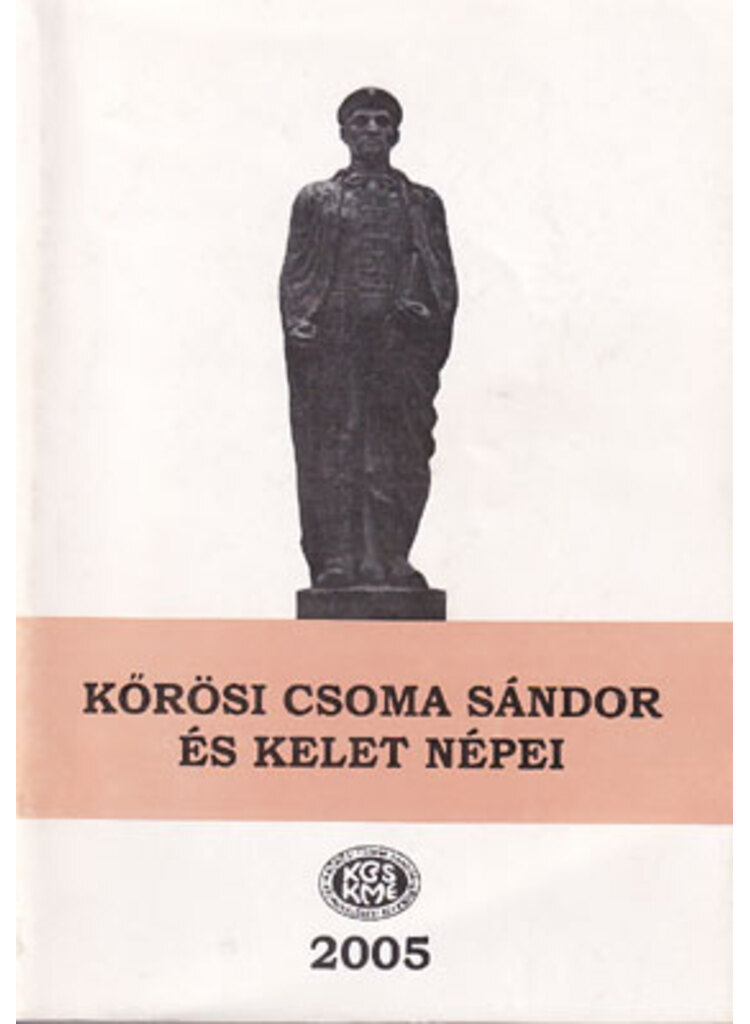
Kőrösi Csoma Sándor és kelet népei
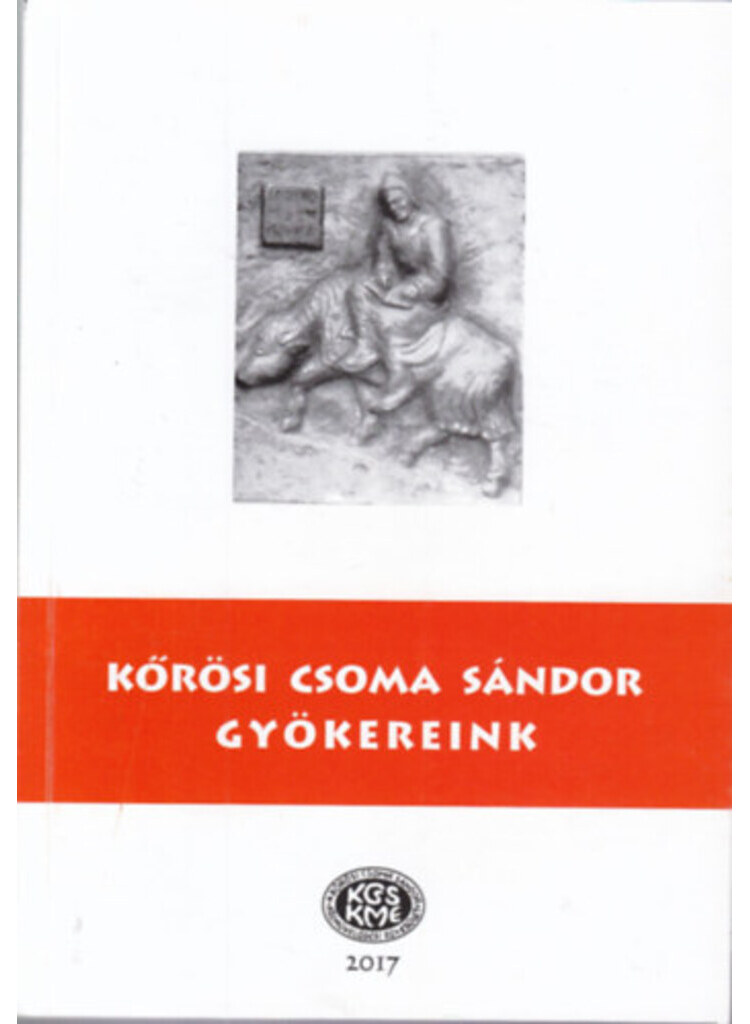
01 200 FtSoha ennyi izgalmas anyag! Soha ennyi újszerűség! „Csillagvilágok fénylő táborán át” rohanunk az idő, a történelem apró fényekkel teletűzdelt alig átlátható végtelenségében, hajtva a megismerés vágyától, s a ködbevesző múlt rejtelmeit böngésszük. Újabb adalékok tisztázzák Kőrösi Csoma Sándor életútjának, pályájának, sorsának egy-egy mozzanatát. Aztán a történelem. Hogy kik a hunok vagy a szkíták, avarok, vagy kik vagyunk mi székelyek, magyarok? A hunokról eddig azt tartotta a szaktudomány: rejtélyes nép, azt sem tudjuk, milyen nyelven beszéltek. És ím, itt könyvünkben a válasz. „Finn-ugor” nyelven. A VI-VIII. századi örmény hittérítők feljegyzései, az Iszfaháni és Krétai kódexek megőrizte anyag kétségtelen, szinte cáfolhatatlan bizonyíték: egy olyan nyelven, amelyik vagy azonos egy korai magyar nyelvvel, vagy azzal nagyon közeli rokonságban áll… A népi emlékezés, mely már csak legendák, mondák formájában él, nem torzít hát. S nem torz a világ népeinek a tudatában élő „eredet-képünk” sem.
-
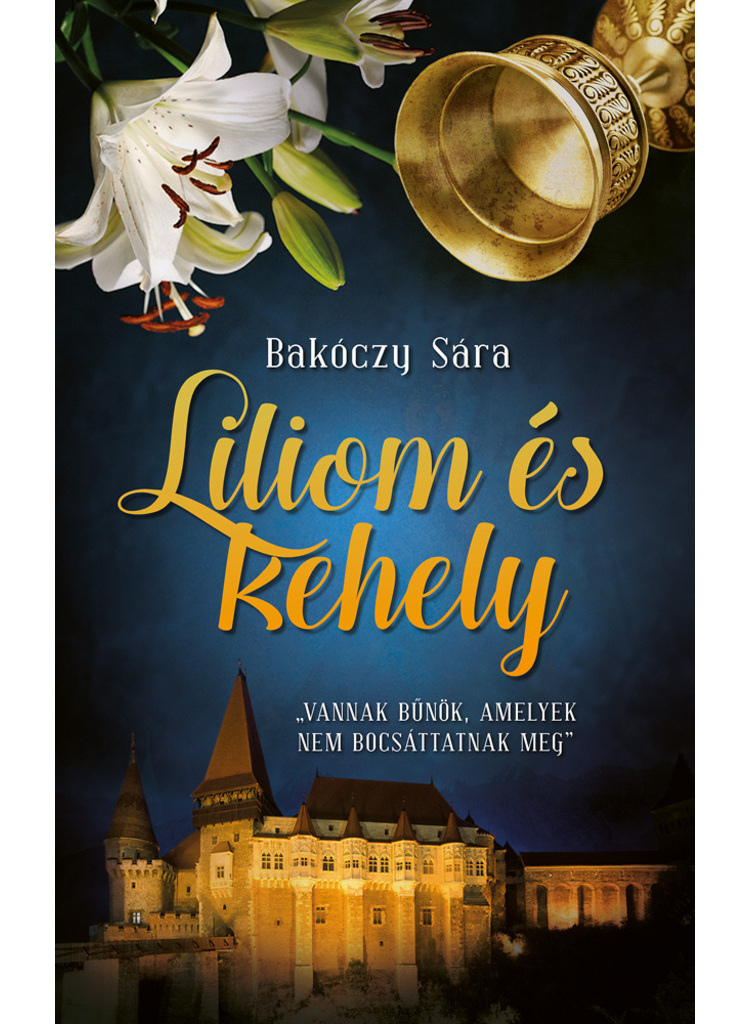
Liliom és kehely
01 500 FtEzerötszázötvennégy. A három részre szakadt ország keleti határvidékén Debrecen kénytelen egyszerre keresni a Habsburg Császárság, az Erdélyi Fejedelemség és a Török Birodalom kegyeit. Gazdag polgárai háromfelé adóznak, túlélésük érdekében három urat próbálnak meggyőzni hűségükről. Hol Erdély oltalmát kérik a Habsburgokkal szemben, hol a Habsburgokét a török ellen – és mindennek meg kell fizetniük az árát. A rövid, dúlásmentes békeévekben azonban a város lakóit hétköznapi események tartják izgalomban: Duskás Ferenc, az egyik leggazdagabb fiatal kereskedő vízimalmot készül építeni a város határában, Ötvös Ambrus nem mástól, mint Oláh Miklós esztergomi érsektől kapott megrendelést egy értékes kehelyre, a város földesura, Török János fiatal feleséget vett magához, a besztercebányai rézbányászat jogának új tulajdonosa debreceni kötődésű, és felcsillan a lehetőség, hogy a töröknek szállított rézen vagyonokat keressenek az élelmes kalmárok. A világtörténelmi és a hétköznapi események hátterében pedig egyéni emberi sorsok, tragédiák és örömök rejlenek, amelyekről megélőiken kívül sokszor nem is tud más. Érdekházasságok, reménytelen szerelmek, elvesztett vagyonok, kettétört életek és váratlan felemelkedések eseményei szövődnek egybe egy család, egy város, egy nemzet történetévé.
-
A turul nemzetsége
01 600 FtNemere István új történelmi regénye a honfoglalástól Árpád fejedelem haláláig terjedő időszakot dolgozza fel, részben a rendelkezésre álló szűkös források, részben az írói képzelet alapján. A X. században a Kárpát-medencébe érkező magyar törzsek előtt két sorsdöntő feladat állt: az új hazában való végleges berendezkedés, illetve a határok biztosítása, különös tekintettel a Keleti Frank Királysággal határos nyugati gyepűre. A szerző árnyaltan és átfogóan örökíti meg a történettudományban sokáig csak a „kalandozások korának” nevezett időszak első évtizedeit. Fordulatokban gazdag történetében felmutatva azt az egyre inkább elfogadottá váló tényt, hogy a nyugati hadjáratok legalább annyira szóltak a frankokkal, különösen Arnulf királlyal kötött szövetség katonai kötelezettségeinek teljesítéséről, illetve később, a magyarokkal szemben ellenséges Gyermek Lajos uralkodása idején a nyugati határok megszilárdításáról, mint a puszta zsákmányszerzésről. A nagyrészt sikeres nyugati hadjáratok közepette a hátországban is a magyarság sorsát évszázadokra meghatározó változások kezdődtek, melyek hatásait a szerző a fejedelmi családtól és a vezérektől kezdve a törzsek harcosain, kézművesein és asszonyain át a honfoglalók minden rétegének életében bemutatja.
-

Szentpétervári fehér éjszakák
03 000 FtDaliás nagyherceg, tehetséges katona, felvilágosult gondolkodó; javíthatatlan nőcsábász, állítólagos gyémánttolvaj, a cári család őrültnek nyilvánított fekete báránya, akit legszívesebben kitöröltek volna a dinasztia emlékezetéből. Nyikolaj Konsztantyinovics Romanov nagyherceg az excentrikus figurákban bővelkedő orosz cári dinasztia egyik legizgalmasabb és legellentmondásosabb tagja, aki egyszerre volt a Romanov-ház végromlásának megtestesítője és az uralkodói kötöttségek ellen lázadó független karakter. Könyvében a nagyherceg kései rokona, Michel de Grece, azaz Mihály görög-dán királyi herceg, a néhai Fülöp herceg elsőfokú unokatestvére tárja fel az európai királyi udvarok ragyogásától az üzbegisztáni száműzetésig vezető rendkívüli életutat. Az elismert életrajz- és regényíró családi beszámolókon és gondos kutatómunkán alapuló életrajzából megismerhetjük Nyikolaj nagyherceg és az amerikai kurtizán, Fanny Lear egész Oroszországot megbotránkoztató viszonyát, miközben a regény lapjain megelevenednek a legendás szentpétervári fehér éjszakák.
-
A magyar ősemlékezet és az Arvisura világkép
02 000 FtAz írások, melyeket egybefűzve a kezében tart az Olvasó, az Arvisura forrásokban történt elmélyüléseim során születtek 2002 és 2005 között. Az állításaim saját meggyőződésemből és hitemből fakadnak. Mivel az Arvisura a mítosz, a rege, a mese és a mitológia világát érinti, nem törekedhettem gondolataim, jegyzeteim és maga az Arvisura forrás fizikai bizonyítékokkal történő alátámasztására. Ahol lehetőségem adódott más források kapcsolódását az Arvisura gondolatmenetbe beilleszteni, azt megtettem. A gondolkodásomban és így a következőkben is, az Arvisura örök, egyetemes minőségét és Paál Zoltán több ezer oldalas Arvisura lejegyzését különválasztottam. Ebben a műben így kétirányú szándékom került kifejezésre. Az egyik, megismertetni a kereső lelkeket az Arvisura minőségéhez vezető úttal, és a saját megtapasztalásom szerint Arvisura-forrás tiszta esszenciájával. Ezenkívül egy rendszertant készítettem Palál Zoltán rovóságán életművéhez. Ez utóbbi egy tizenötezer éves történelmi áttekintést tartalmaz a magyarság szellemiségének megjelenéséről a legutóbbi civilizációs ciklusban, továbbá egy arvisura lexikont, amely a kutatók hasznos segédeszköze lehet.
-
A Sumír örökségünk
010 000 FtA történész – Badiny Jós Ferenc – mellett a sumír-magyar nyelvrokonság elméletét vizsgálta. Az amerikai emigrációban számos olyan munkája született, amelyet a mai napig támad a finn-ugor elméletben hívők tábora. Könyvtári munkássága során kezdett el foglalkozni a sumír-magyar nyelvrokonság kérdésével, emigráns élete során javarészt angol nyelvű tanulmányaiban fejtette ki elméleteit. Dr. Bobula Ida (Budapest, 1900. február 27. – Gaffney, Dél-Karolina, 1981. október 24.) magyar történész. Elsősorban a sumer–magyar nyelvrokonság elméletét támogató kutatásai ismertek, Badiny Jós Ferenc mellett ezen témakör legjelentősebb alkotója. Költőként indult, 1920-ban önálló kötete jelent meg. 1923-ban A szász uralkodóházból való királyok uralmának hatása Lengyelország felbomlására című disszertációjával doktorált történettudományból a budapesti Pázmány Péter Tudományegyetemen. Később az Egyesült Államokban folytatta tanulmányait. 1929-ben érkezett vissza a magyar fővárosba, ahol pedagógusként dolgozott. 1947-ben a politikai légkör változásai miatt az USA-ba emigrált. Itt eleinte a New Jersey’s Woman College-ban, illetve a Kongresszusi Könyvtárban munkálkodott. Később történelmet és szociológiát oktatott a dél-karolinai Limestone College-ban. 1955 és 1957 közt a magyar menekültprogram igazgatója volt Philadelphiában. A sumer–magyar nyelvrokonság kérdése még könyvtári munkássága alatt került érdeklődése középpontjába. Kilenc, javarészt angol nyelvű kötetben foglalkozott elmélete kifejtésével. Állításai a mai napig igen népszerűek, főleg a magyarság őstörténete iránt érdeklődő olvasók körében.
-

Naptól vagyok, holdtól vagyok
06 000 FtA IX. század utolsó évtizedében járunk. Egy sebesült szarvas vérnyomát követő vadász három titokzatos regössel találkozik, akik arra kérik, hogy hallgassa meg a történeteiket. A három elbeszélő három egymást követő századot, nézőpontot és stílust jelent, de mondandójuk azonos; egy múltja elől menekülő onogur javas, a kagán koronájának elkészítésére elhivatottságot érző avar ötvös és a tanítói ellen fellázadó és Nagy Károly szolgálatába szegődő magyar táltos elbeszélése nyomán minden képzeletet felülmúló összefüggésekre derül fény a honfoglalást megelőző háromszáz év eltitkolt, elhallgatott magyar történelméből. Fonyódi Tibor történelmi regénytrilógiájának második kötetében három különböző korban élt ember élettörténete elevenedik meg. A szerző olyan színes és eleven tablót fest az Avar Birodalomról, a Karolingok koráról és a IX. századi magyar történelemről, ami garantáltan felejthetetlen élményt nyújt a misztikummal fűszerezett történelmi kalandregények kedvelőinek. Az előzményektől függetlenül is olvasható regény méltó párja a nagy sikert aratott Isten ostorainak.
-

A háború művészete / Ármány éneke
02 000 FtÉvszázadokkal később, mikor Kubád sahnak, Anusirvan perzsa király atyjának meggyűlt a baja a Kaukázustól északra lakó kazár kagánnal – mindkét fél határvárosok építésére, valamint a régiek megerősítésére szánta el magát –, kiváló fekvéséből adódóan Maghar lett az egyik fontos erődítmény. Azt beszélik, Maghart ettől az időponttól lehetett igazán városnak tekinteni, merthogy ekkor építették falait, ekkor jelentek meg az első kőépítmények, sokak szerint ez volt a város aranykorának kezdete. Akik Kubád korában éltek, már semmit sem tudtak az egykori Jenő törzsről, hajdan virágzó székhelyéről és a déli határában kavargó hatalmas mag-ménesekről. Történetünk idején csak egyszerű nemezjurták álltak a későbbi kőváros helyén, igaz, naponta százezernél is több lovat itattak a folyónál, rovással írtak, s olyan nyelven beszéltek az emberek, mely az idők kezdete óta változatlan és morzsolhatatlan, mint a kaukázusi sziklák, mert ennek a nyelvnek szakrális mivoltából adódóan nem volt szüksége jövevényszavakra, hogy kifejezze akár a legbonyolultabb fogalmakat is – ma már nehéz lenne meggyőzni arról bárkit is, hogy Magharnak ez volt az igazi aranykora. Fonyódi Tibor a vadregényes Kaukázusba kalauzolja az olvasóit, az időpont a Krisztus születése utáni VI. század, alig két emberöltővel Atilla halála után. A Torda-trilógia háttérvilágának tekinthető horkaregényekben a szerző a magyar mitológiából, meséinkből és a szakrális őshagyományból merítve teremt egy olyan „új mitológiát”, melynek igazi főszereplője az a fegyver, amelyet másfél ezer esztendeje Isten kardjaként említ a hagyomány.
-

A turul árnyékában
02 000 FtKr. u. 880. Az Etel folyó mellett elterülő sztyeppén élő magyari törzsekre egyre nagyobb nyomás nehezedik kelet felől: a besenyők betörései megszaporodnak, és nyilvánvaló, hogy ezek a támadások csak előszelei egy nagyobb viharnak, az összes besenyő törzs nyugat felé vonulásának. A magyarok lassan, de biztosan harapófogóba kerülnek a keleti lovasnépek és a nyugati birodalmak, Bizánc és a Bolgár Cárság között. Mindemellett a magyarok törzsszövetsége is megosztott: Levedi, a kündü csak a megyer és a kürtgyarmat törzsek támogatását bírja, a másik öt törzs a gyulát, Álmost támogatja. Álmos célja az, hogy egyetlen vezér alatt egyesítve a magyar törzseket szembeforduljon a keletről közelgő viharral, és az érkező népeket meghódítva, beolvasztva hatalmas pusztai birodalmat hozzon létre. Levedi ezzel szemben a Havasokon túli Pannóniában látja a magyarság új hazáját – és új jövőjét, a frankok és a bizánciak mintájára való letelepedését. A két vezér szembenállása ha nyílt háborúságot nem is, de tapintható ellentéteket és kisebb összecsapásokat okoz a magyar törzsek között. Az idő azonban sürget: hamarosan döntésnek kell születnie, ha nem akarják, hogy a magyar olvadjon bele valamely más pusztai népbe. Hüse Lajos regényében a legújabb régészeti és antropológiai kutatási eredményeket is felhasználva kínál fordulatokban gazdag, olvasmányos bepillantást a honfoglaló magyarság IX. századi történetébe.
Honterus Antikvárium és Aukciós Ház